
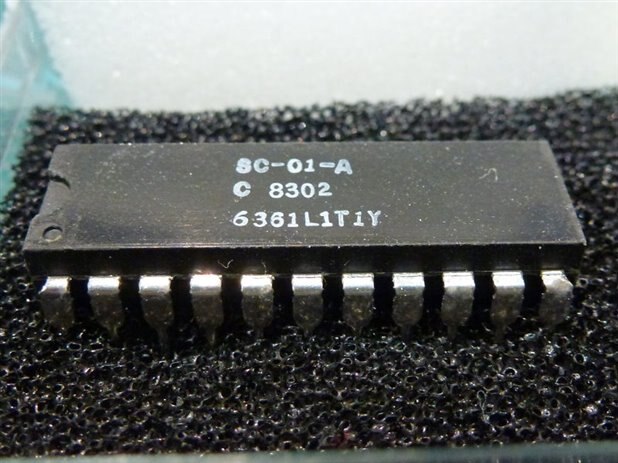
Votrax
SC-01 / SC-01A
The phoneme voice behind talking robots, home-computer accessories, and some of the most memorable machines of the early 1980s.
Hear the SC-01 / SC-01ATHE VINTAGE SPEECH COLLECTION
Before voices lived in the cloud, they lived on a chip. Explore the silicon that made computers talk, robots speak, and arcades come alive.

Wolfgang von Kempelen published his speaking-machine design. Bellows and mechanical parts imitated the organs of speech—long before electronics.

Bell Labs demonstrated the Voder. A trained operator used keys and a foot pedal to shape electronic sounds into speech.

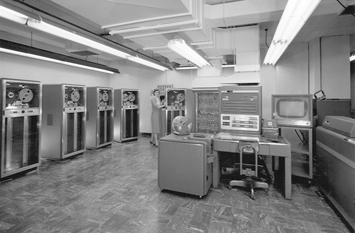
At Bell Labs, an IBM computer sang “Daisy Bell,” demonstrating that software could calculate the sounds of a human voice.
Texas Instruments introduced Speak & Spell. Its compact speech hardware brought synthesized words into a handheld educational toy.

Speech chips gave computers, toys, robots, and arcade characters distinctive voices. Different designs built speech from phonemes, encoded words, or streams of parameters.
As computers grew more powerful, speech moved from dedicated chips into software. The buzzing vowels and awkward consonants that once sounded like the future gave way to smoother, more natural voices. Manufacturers discontinued their speech-chip lines; some companies disappeared altogether. One by one, the familiar electronic accents slipped out of new machines and into memory—still speaking in surviving toys, computers, and arcade cabinets, but increasingly becoming voices of the past.
But those voices weren’t finished. What once sounded imperfect now sounds unmistakably retro—and full of personality. Their buzzing vowels and robotic accents have found a new audience in modern music, turning yesterday’s electronic speech into today’s melodies, rhythms, and creative surprises.
Hobbyists are giving them new bodies: talking robots, homemade instruments, Arduino projects, and custom game hardware. Original chips and modern recreations are putting these distinctive sounds back into builders’ hands. The voices of the past are speaking again—and this time, you get to decide what they say.
37 chips
Votrax
The phoneme voice behind talking robots, home-computer accessories, and some of the most memorable machines of the early 1980s.
Hear the SC-01 / SC-01A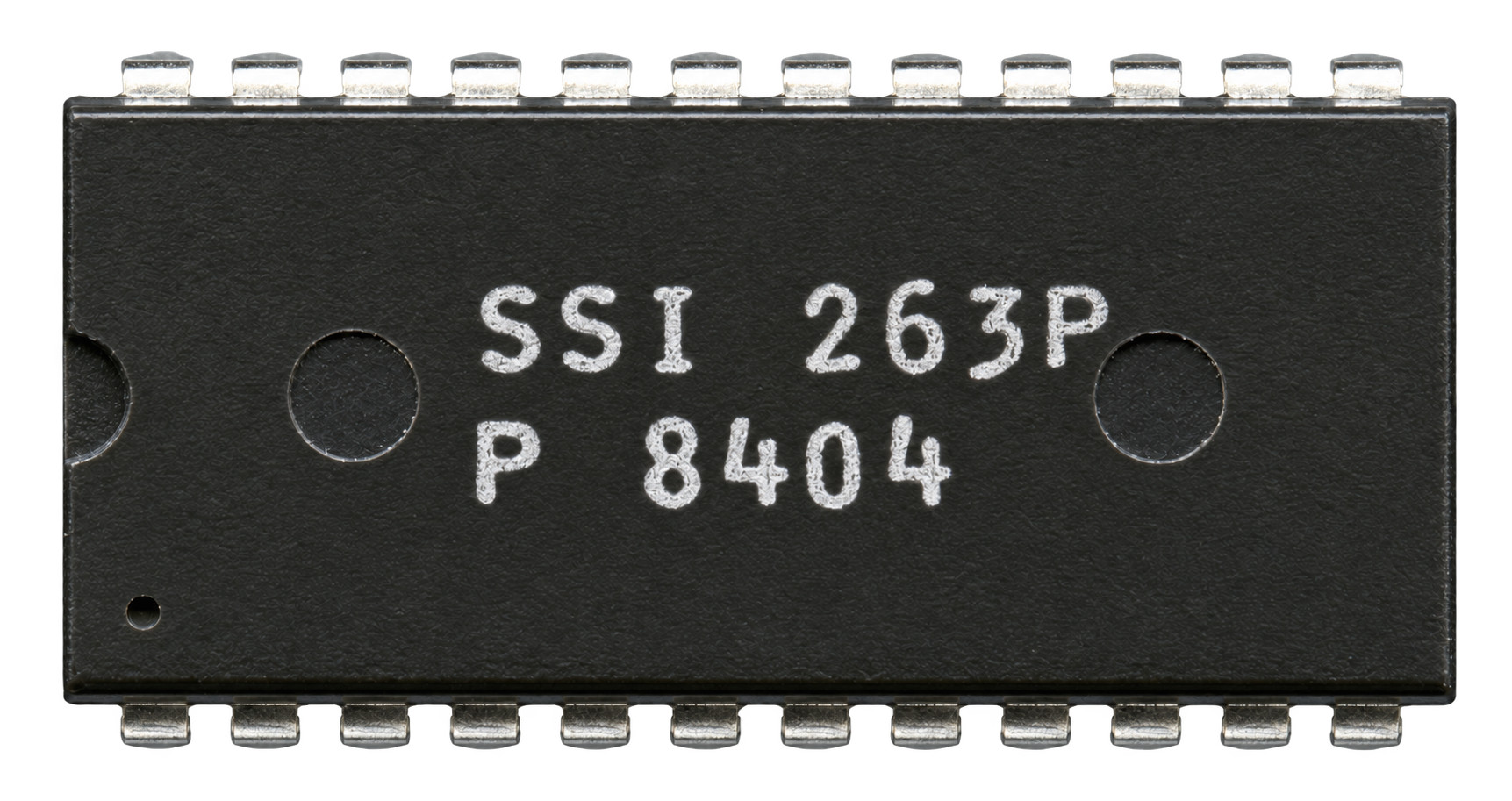
Votrax
Programmable pitch, timing, articulation, and expression made this family a versatile engine for electronic speech.
Hear the SC-02 / SSI-263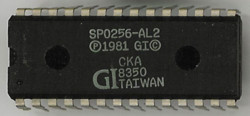
General Instrument
Selectable allophones put custom words within reach of computer peripheral designers and home electronics builders.
Hear the SP0256-AL2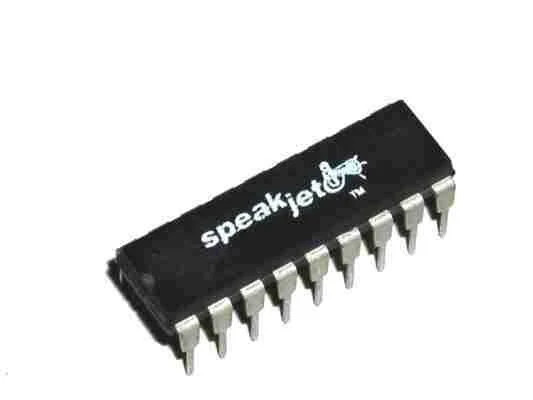
Magnevation
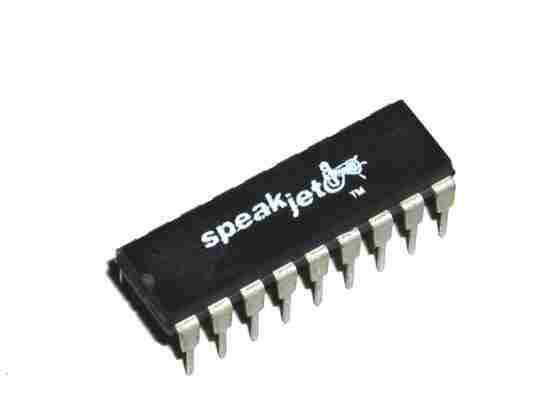
A new source of classic robotic voices: SpeakJet brought programmable speech and sound synthesis back to builders, retro consoles, and musical experiments.
Hear the SpeakJet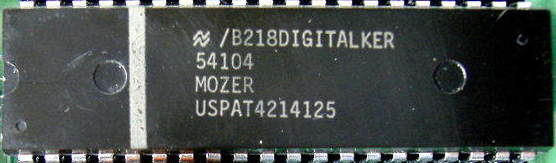
National Semiconductor
National Semiconductor’s Digitalker speech processor reconstructed compressed human speech from external vocabulary ROMs.
Hear the MM54104 (Digitalker)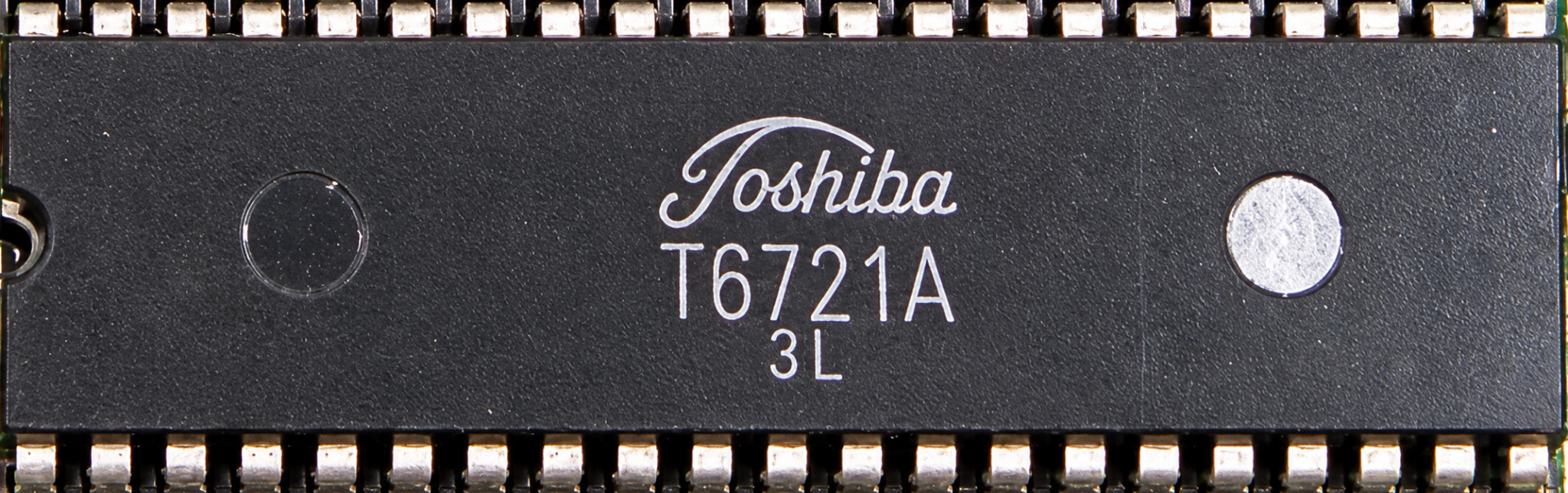
Toshiba
Toshiba’s PARCOR speech synthesizer, best known for giving Commodore’s Magic Voice its distinctive spoken vocabulary.
Hear the T6721A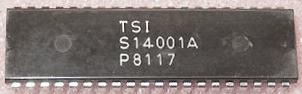
Telesensory Systems
TSI’s ROM-based speech processor, designed by Silicon Systems for the Speech+ calculator and later heard in Berzerk’s robotic taunts.
Hear the S14001AGeneral Instrument
General Instrument’s SP0250 Orator rebuilds speech from LPC parameter frames supplied by a host, using a programmable vocal-tract filter rather than a built-in word list.
Hear the SP0250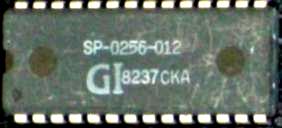
General Instrument
Custom SP0256 processor with Mattel’s internal resident vocabulary for Intellivoice.
Hear the SP0256-012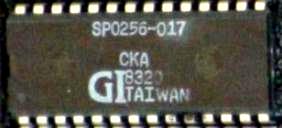
General Instrument
Custom talking-clock speech processor, sold with the SPR016-117 serial speech ROM as Radio Shack’s Archer voice-synthesizer set.
Hear the SP0256-017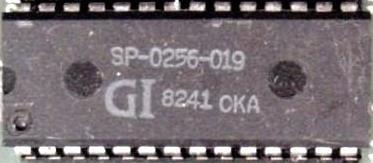
General Instrument
The Odyssey²-specific SP0256 speech processor used by The Voice, with an expanded serial-ROM speech library.
Hear the SP0256-019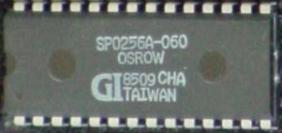
General Instrument
Custom SP0256 appliance voice with OSROW ice-cream status announcements and a musical completion cue.
Hear the SP0256-060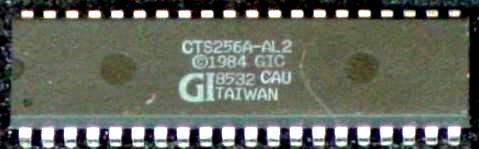
General Instrument
General Instrument’s text-to-allophone controller turns English text into commands for the SP0256-AL2.
Hear the CTS256A-AL2 / CTS256-AL2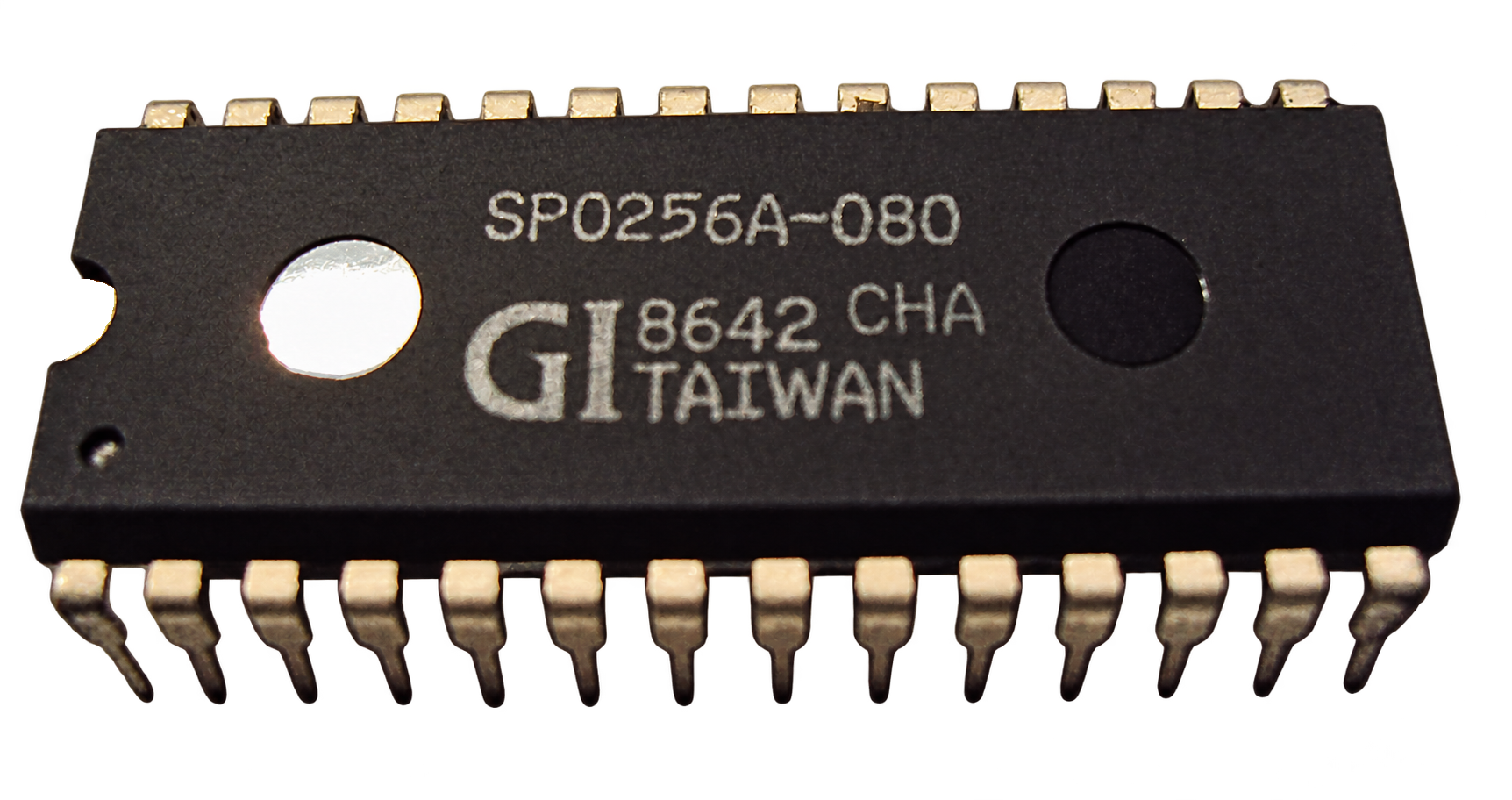
A newly documented SP0256A variant; its original speech program remains unidentified.
Hear the SP0256A-080
General Instrument
General Instrument’s SP1000 combined real-time LPC speech analysis and synthesis in a 5 V, 28-pin processor peripheral. It produced compact speech features for a host computer to recognize and could synthesize from prepared LPC data.
Hear the SP1000Texas Instruments
Revised early LPC branch; check the suffix and tables.
Hear the TMS5110 / TMS5110A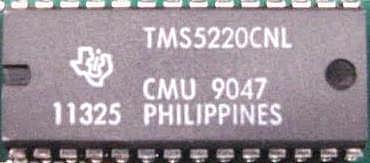
Texas Instruments
Compare TI’s classic LPC voices—from the Speak & Spell generation to the TMS5220 and TMS5220C used in talking computers and arcade machines.
Hear the TMS5220 Family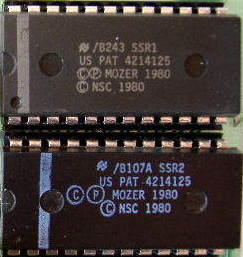
OKI
Adaptive differential pulse-code modulation (ADPCM) · Speech processor
Hear the MSM5205RSPhilips
Philips’s MEA8000 creates speech from compact digital frames that control its formant filters, pitch, and amplitude.
Hear the Philips MEA8000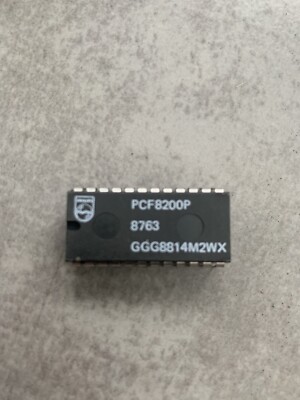
Philips
The Philips PCF8200 turns a stream of compact digital speech parameters into sound using a programmable formant model.
Hear the Philips PCF8200General Instrument
2 KB serial speech ROM paired with the SP0256-017 talking-clock processor.
Hear the SPR016-117
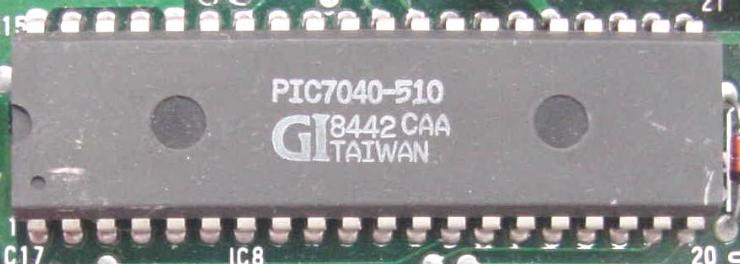
The General Instrument controller that translates text and manages music and effects in Tandy’s Speech/Sound Cartridge.
Hear the PIC7040-510Motorola CVSD encoder/decoder used for recorded speech, including the IBM PS/2 Speech Adapter.
Hear the MC3418NEC
NEC’s dedicated speech synthesizer used in the PC-6001 mkII and PC-6601 computer family.
Hear the NEC µPD775277 machines
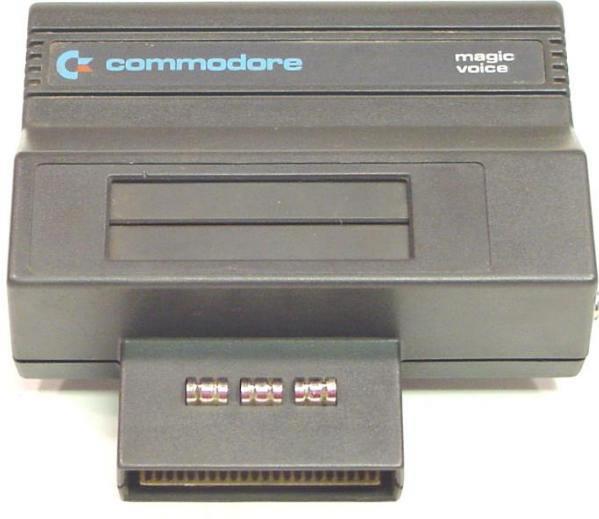
Commodore
Commodore’s T6721A speech cartridge for the C64 and SX-64 supplied a female voice, 235 utterances, BASIC commands, and talking-game support.
Explore the Magic Voice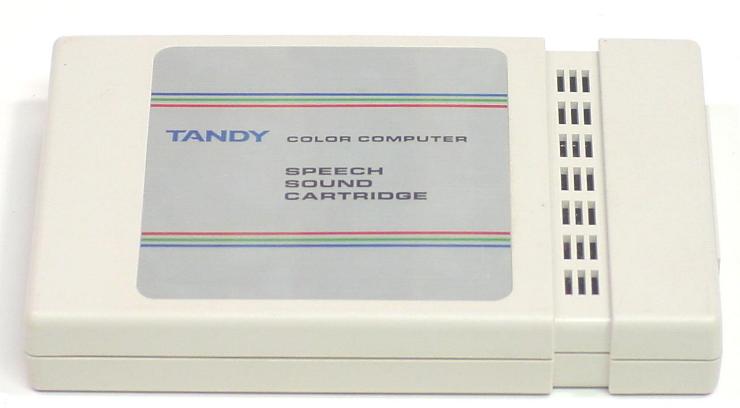
Tandy
Tandy’s CoCo cartridge combined SP0256-AL2 text-to-speech with AY-3-8913 music and effects, managed by a dedicated controller.
Explore the Speech/Sound Cartridge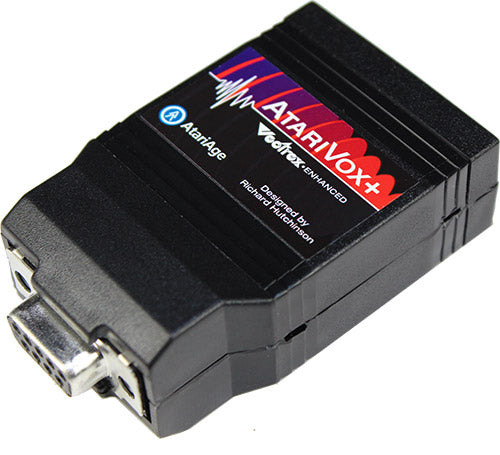
AtariAge
Richard Hutchinson’s SpeakJet based accessory adds programmable speech and persistent game saves to supported classic-console games.
Explore the AtariVox / AtariVox+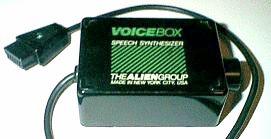
The Alien Group
The Alien Group’s Atari speech peripheral used a Votrax SC-01-A, pronunciation dictionaries, and an SIO connection to make the television speak.
Explore the Voice Box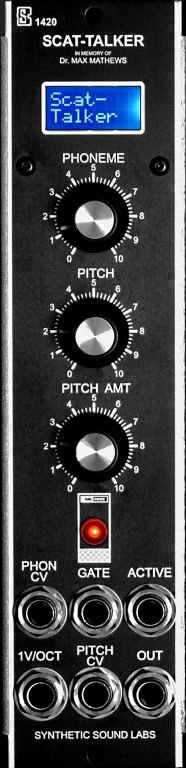
Synthetic Sound Labs
A Votrax SC-01 reborn as a voltage-controlled musical voice: phoneme sequencing, pitch modulation and robotic singing in a 5U MU module.
Explore the Synthetic Sound Labs Scat-Talker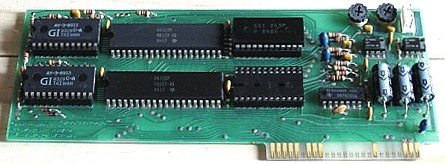
Sweet Micro Systems
Sweet Micro Systems’ Apple II sound-card family combined music and effects with optional SC-01 or SSI 263 phoneme speech.
Explore the Mockingboard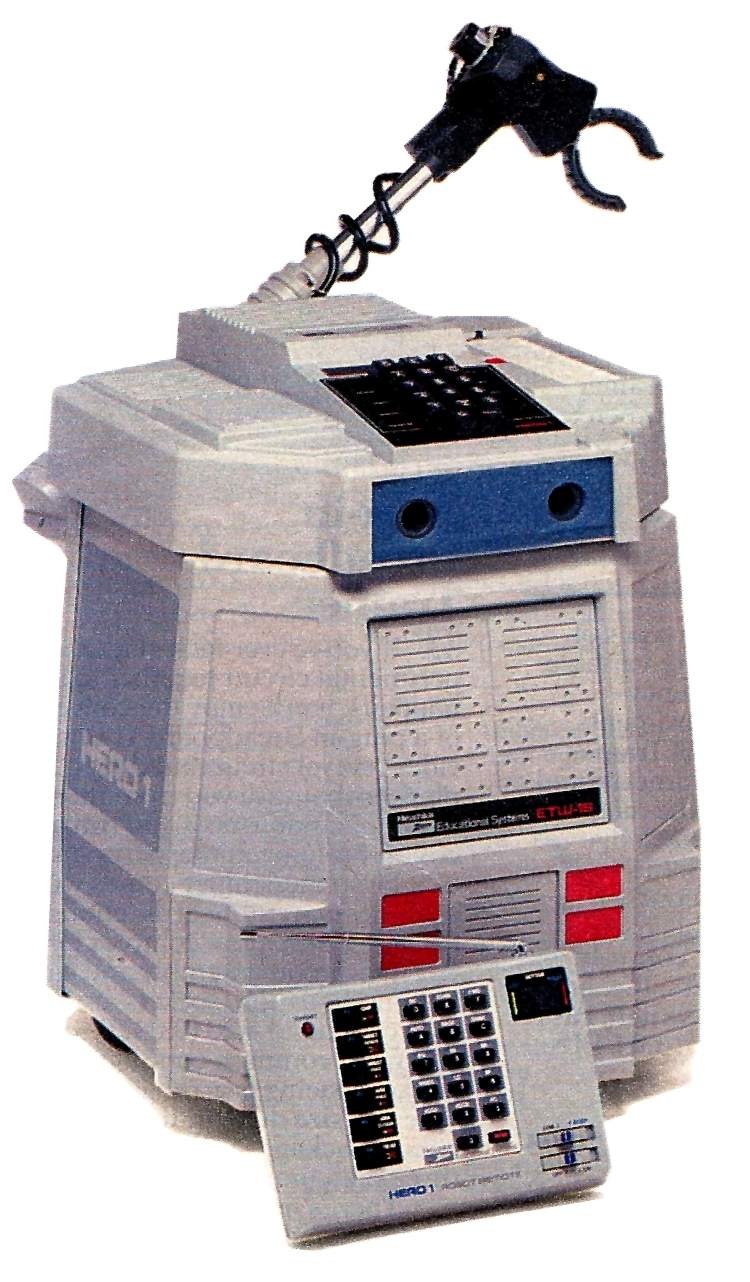
Heathkit
An optional Votrax SC-01 speech card gave Heathkit’s educational robot a programmable voice to accompany its sensors, moving head, and robot arm.
Explore the Heathkit HERO 1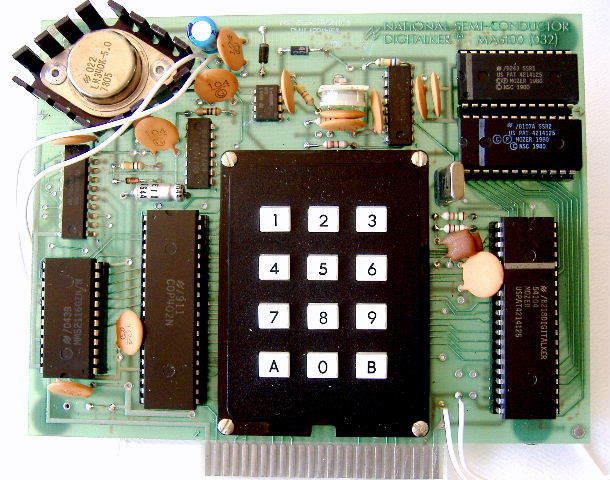
National Semiconductor
A keypad and MM54104 Digitalker turned National Semiconductor’s evaluation board into a standalone phrase player, complete with a spoken reaction-time game.
Explore the DT1000 / MA6100 Digitalker Evaluation Board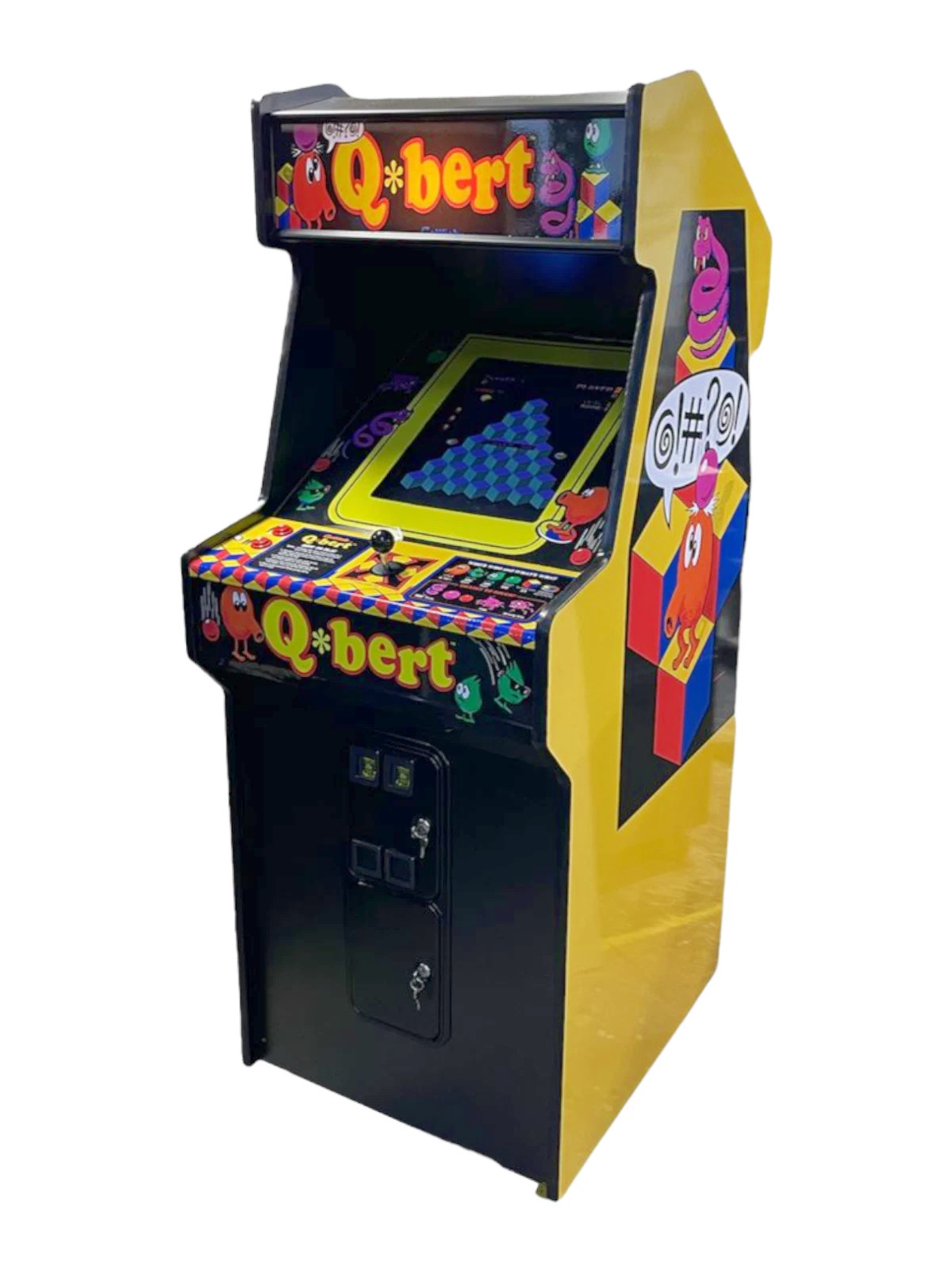
Gottlieb’s 1982 arcade classic turns SC-01 phonemes into comic gibberish, pairing an unforgettable voice with a pinball-style cabinet knocker.
Explore the Q*bert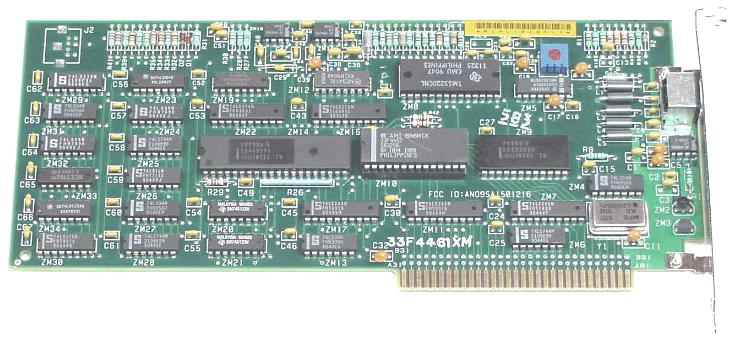
IBM’s ISA speech adapter combined TMS5220C LPC synthesis with CVSD voice recording and playback.
Explore the IBM PS/2 Speech AdapterNEC
Japanese home computers with NEC µPD7752 speech hardware and BASIC TALK support, including the later SR models.
Explore the NEC PC-6001 mkII & PC-6601 family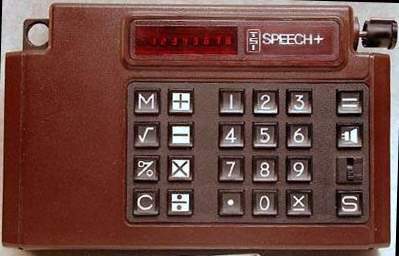
Telesensory Systems
A pioneering handheld talking calculator from Telesensory Systems, using the S14001A to announce key presses and results.
Explore the Speech+ Calculator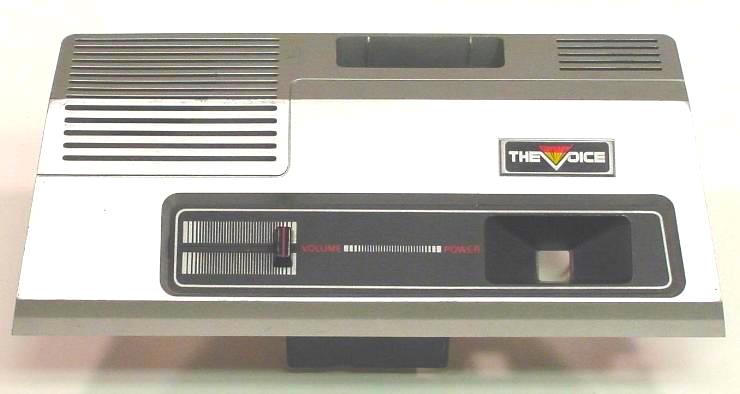
The Odyssey² speech and sound-effects module used a custom SP0256-019 and SPR-128-003 ROM for talking games, spelling exercises, and Type & Tell.
Explore the The VoiceAcorn Computers
Acorn’s internal TMS5220 speech upgrade gave the BBC Micro a vocabulary derived from newsreader Kenneth Kendall.
Explore the BBC Micro — Acorn Speech System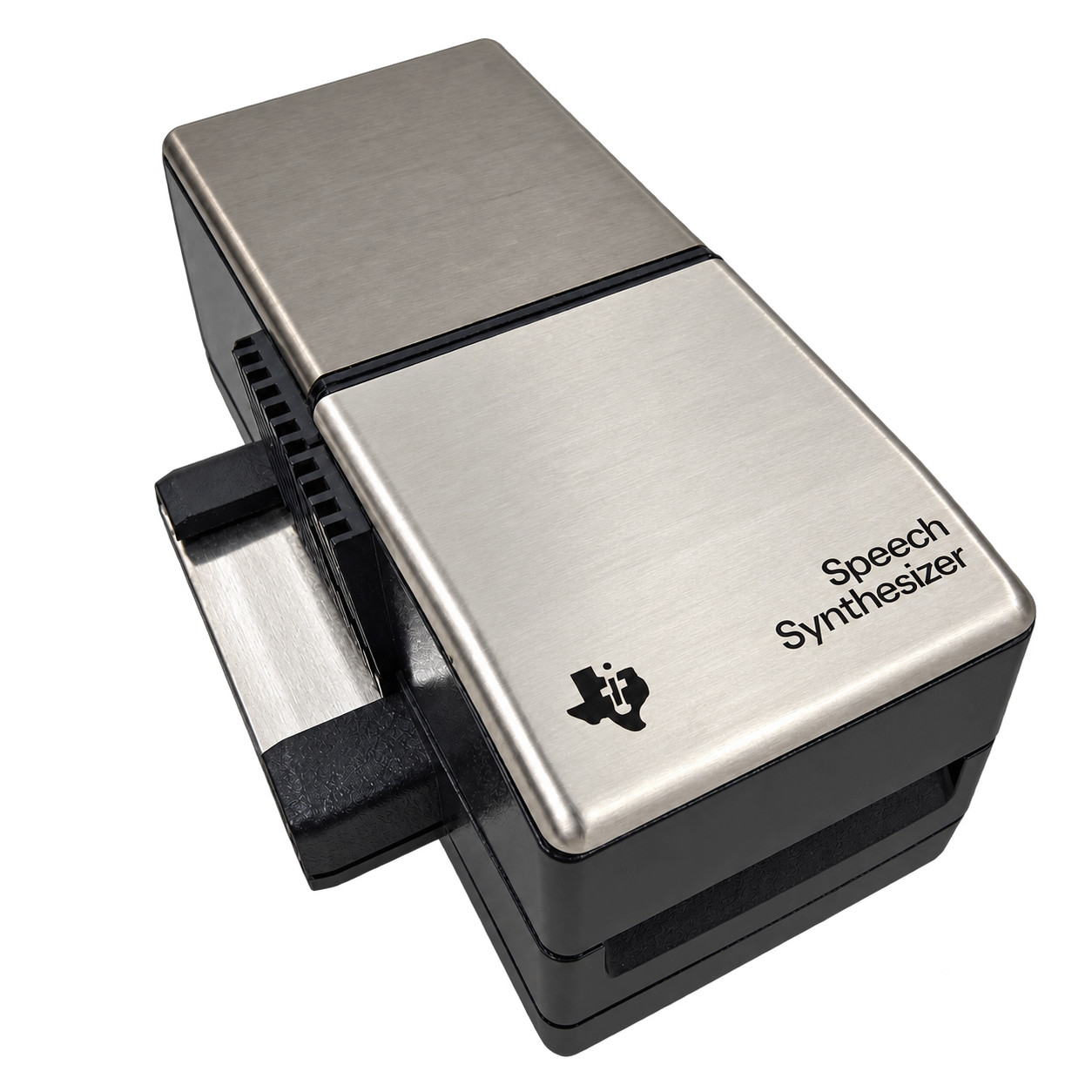
Texas Instruments
A TMS5200 and TMS6100 vocabulary ROM gave TI’s PHP1500 sidecar its voice, expanding the TI-99/4 and TI-99/4A with LPC speech and cartridge-driven programming.
Explore the TI Solid State Speech Synthesizer
Mattel Electronics
Mattel’s Intellivision speech module pairs an SP0256-012 with cartridge-fed voices, turning game warnings, instructions, and characters into speech.
Explore the Intellivoice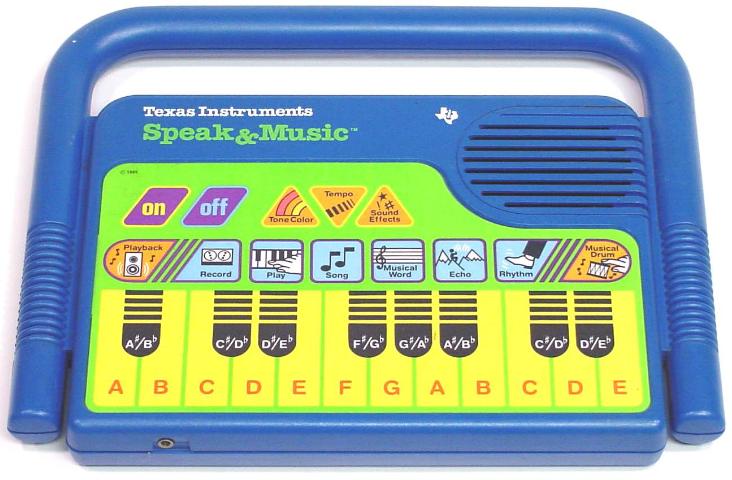
Texas Instruments
Texas Instruments’ CM54129 powered talking keyboard combined melodies, memory games, sound effects, and spoken guidance.
Explore the Speak & Music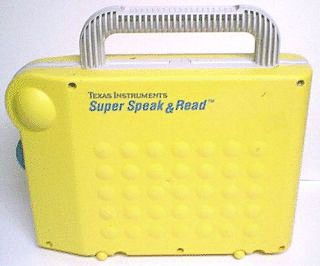
Texas Instruments
TI’s folding reading aid used illustrated books, touch-sensitive panels, and a TSP50C42 electronic voice.
Explore the Super Speak & Read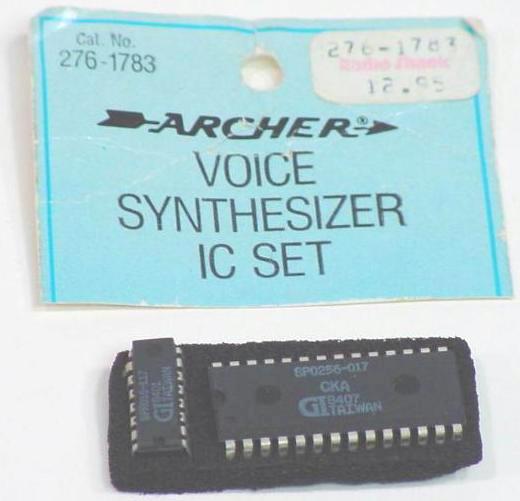
General Instrument
Archer catalog 276-1783 paired the SP0256-017 talking-clock processor with the SPR016-117 speech ROM.
Explore the Voice Synthesizer IC SetMicromint
Micromint’s SP1000 speech-recognition interface, with an SSI-263 speech option for Apple II.
Explore the LIS’NER 1000The BMW E38 navigation unit used a PCF8200 speech synthesizer to give spoken directions.
Explore the BMW E38 Navigation System unitTI’s Speak & Spell made an electronic voice a spelling teacher, beginning with TMS5100 family LPC speech hardware.
Explore the Speak & SpellAstro Blaster delivered spoken space-combat warnings through Sega’s SP0250 speech board.
Explore the Astro Blaster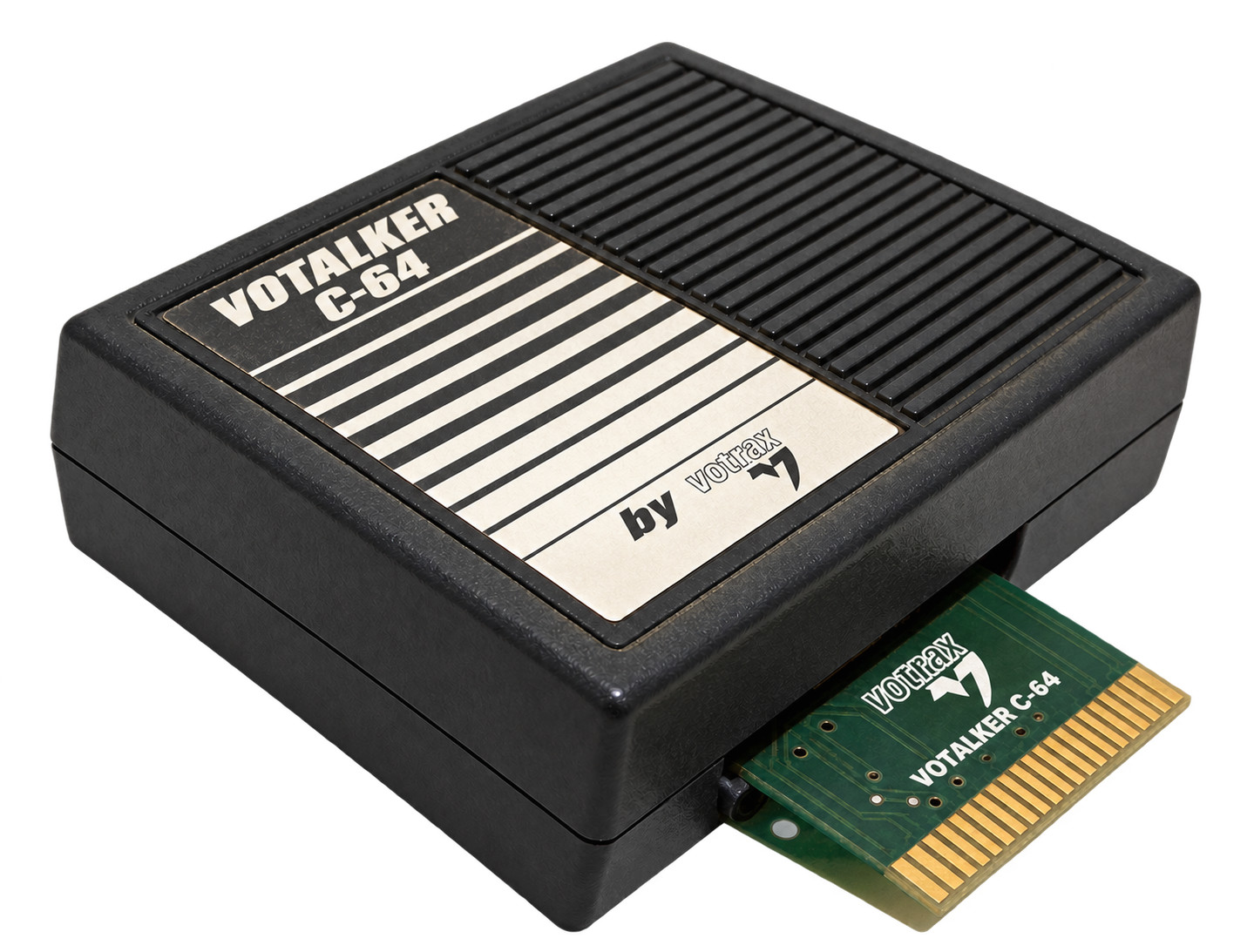
Votrax
Votrax’s own SC-01A based Commodore 64 voice combined text-to-speech, three speaking modes, screen echo, and a built-in speaker.
Explore the Votalker C-64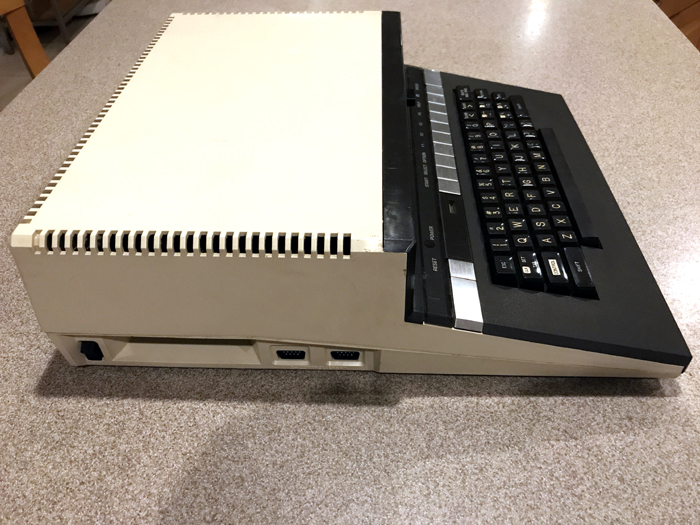
Atari
Unreleased Atari XL designs combined speech, a 300-baud modem, and optional integrated disk storage; early SC-01 hardware gave way to SSI-263 in later designs.
Explore the Atari 1400XL & 1450XLD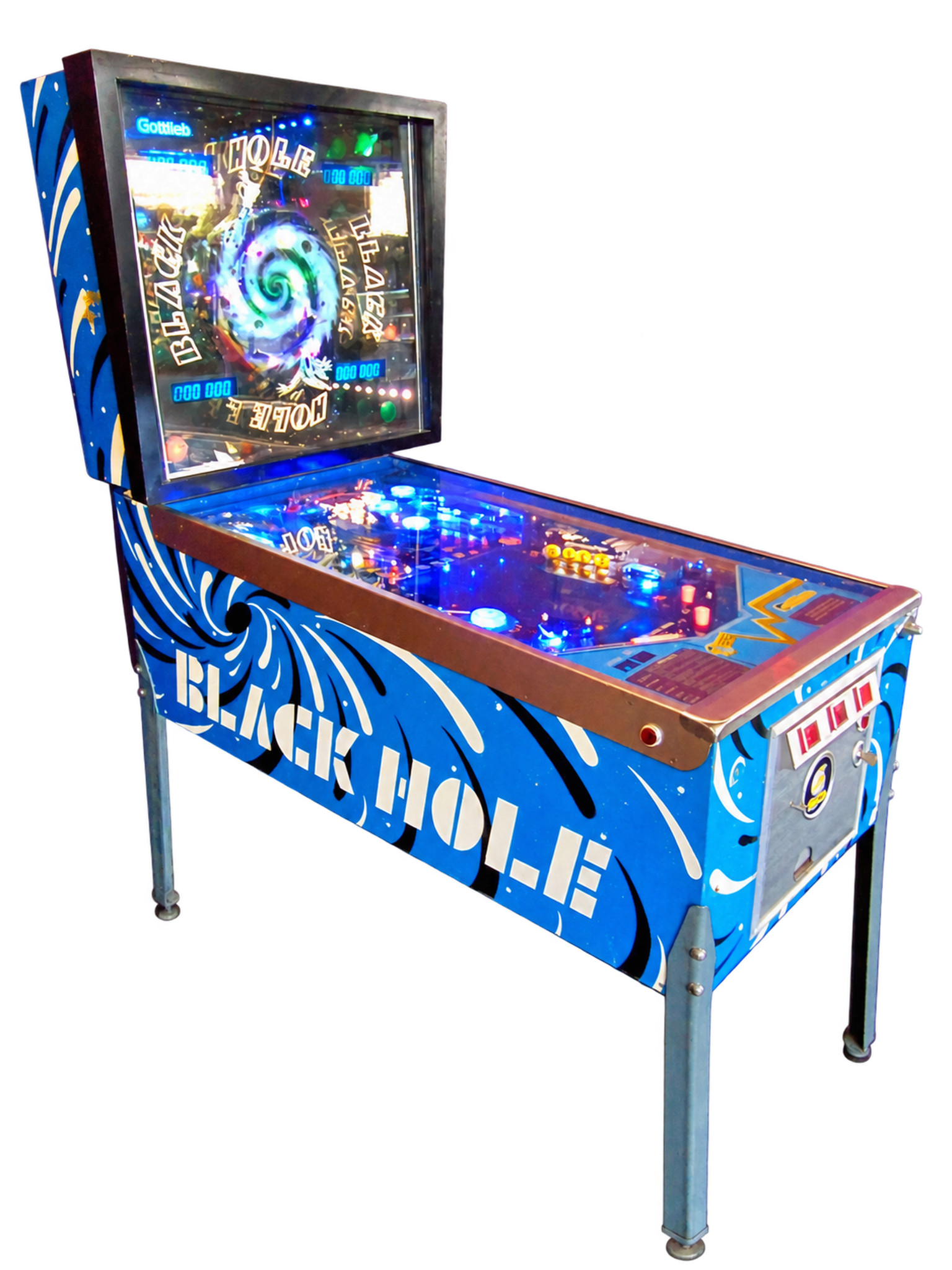
Gottlieb’s Black Hole pairs a reversed lower playfield with the haunting phoneme voice of a Votrax SC-01.
Explore the Black Hole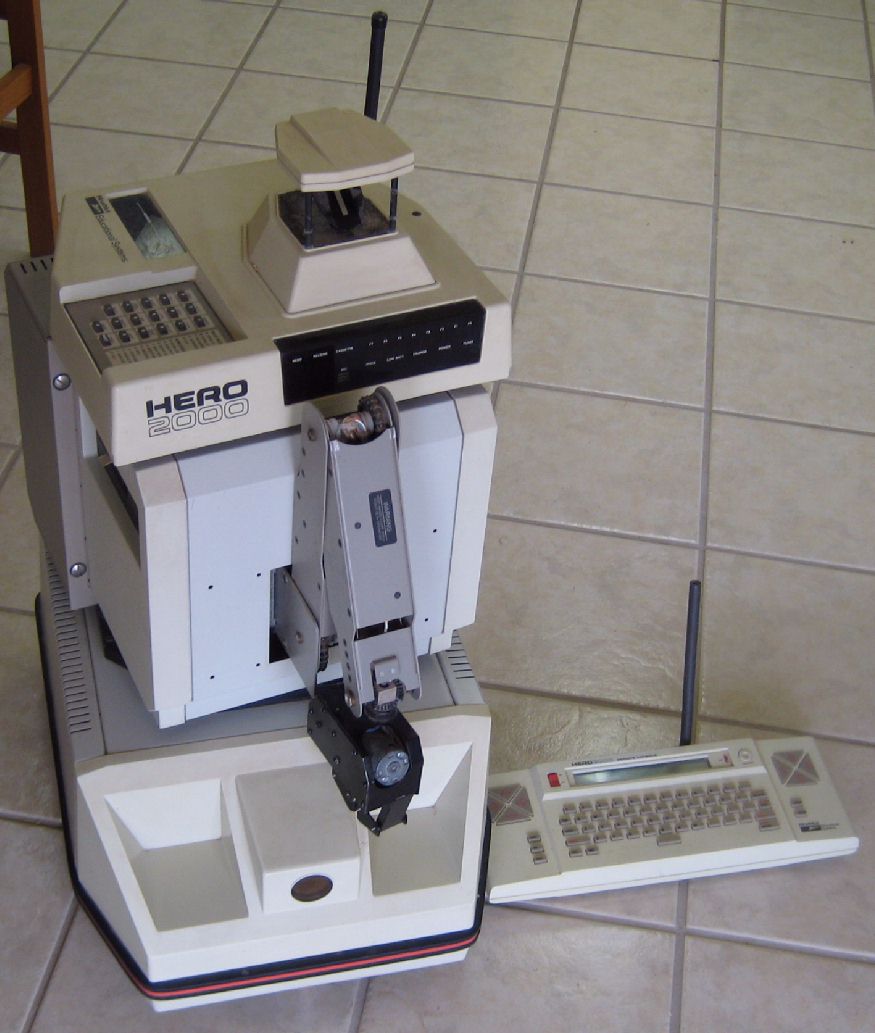
Heathkit
HERO 2000 paired its ambitious training-robot design with an SSI-263 voice, built-in text-to-speech, music, and sound effects.
Explore the Heathkit HERO 2000Exelvision
Built-in TMS5220C speech, an infrared keyboard, and a distinctive electronic accent set Exelvision’s French home computer apart.
Explore the Exelvision EXL 100Exelvision
Exeltel combined a TMS5220C voice with Minitel communications and telephone functions in a French home computer.
Explore the Exelvision Exeltel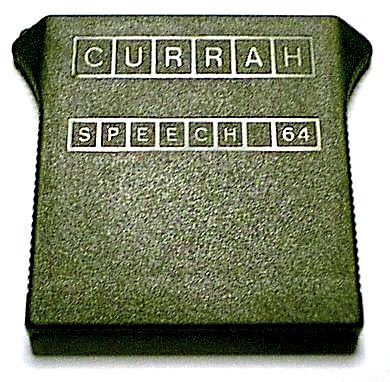
Currah
The Currah Speech 64 brought SP0256-AL2 speech to the Commodore 64, with built-in text-to-speech, direct allophone control, and two selectable voices.
Explore the Currah Speech 64 / Voice Messenger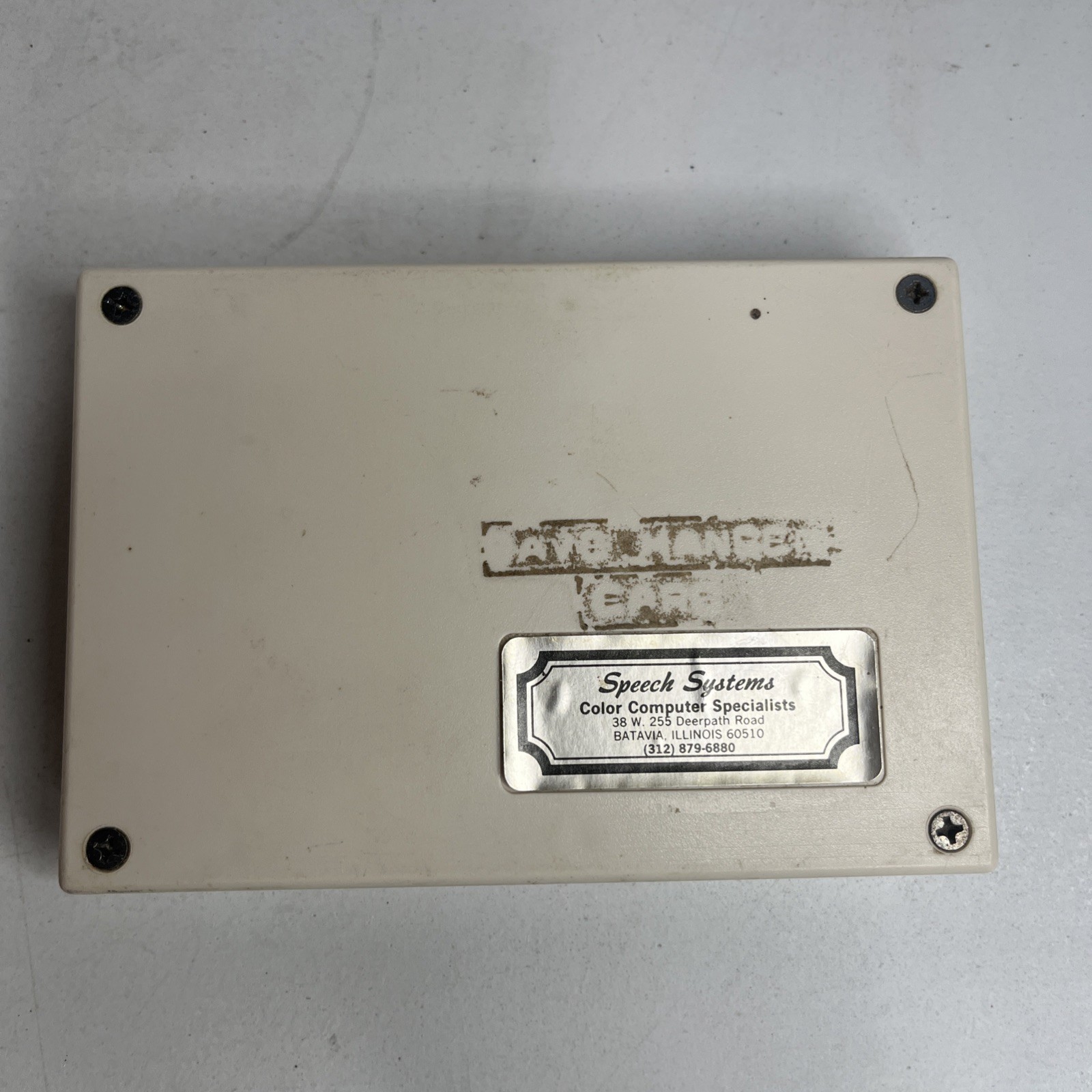
Speech Systems
This Speech Systems CoCo cartridge awaits identification. The company’s Super Voice used an SSI-263, but this specimen’s internal hardware is not yet confirmed.
Explore the Speech Systems CoCo Cartridge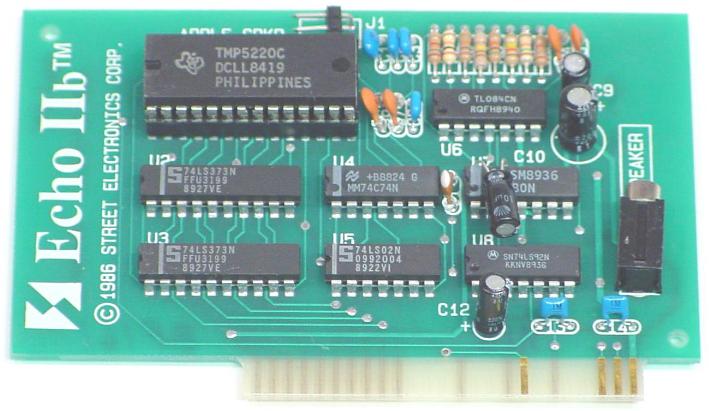
Street Electronics
Street Electronics paired a TMS5220C with TEXTALKER and screen review, giving Apple II users spoken access to their computers.
Explore the ECHO IIb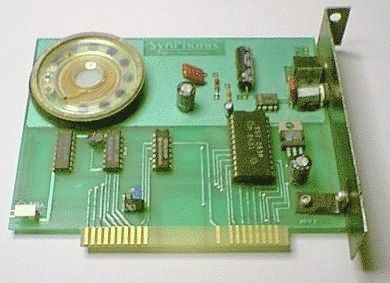
Artic Technologies
Artic Technologies’ IBM PC speech card used SSI 263 phoneme synthesis and supported spoken screen access with Artic Vision.
Explore the SynPhonix 200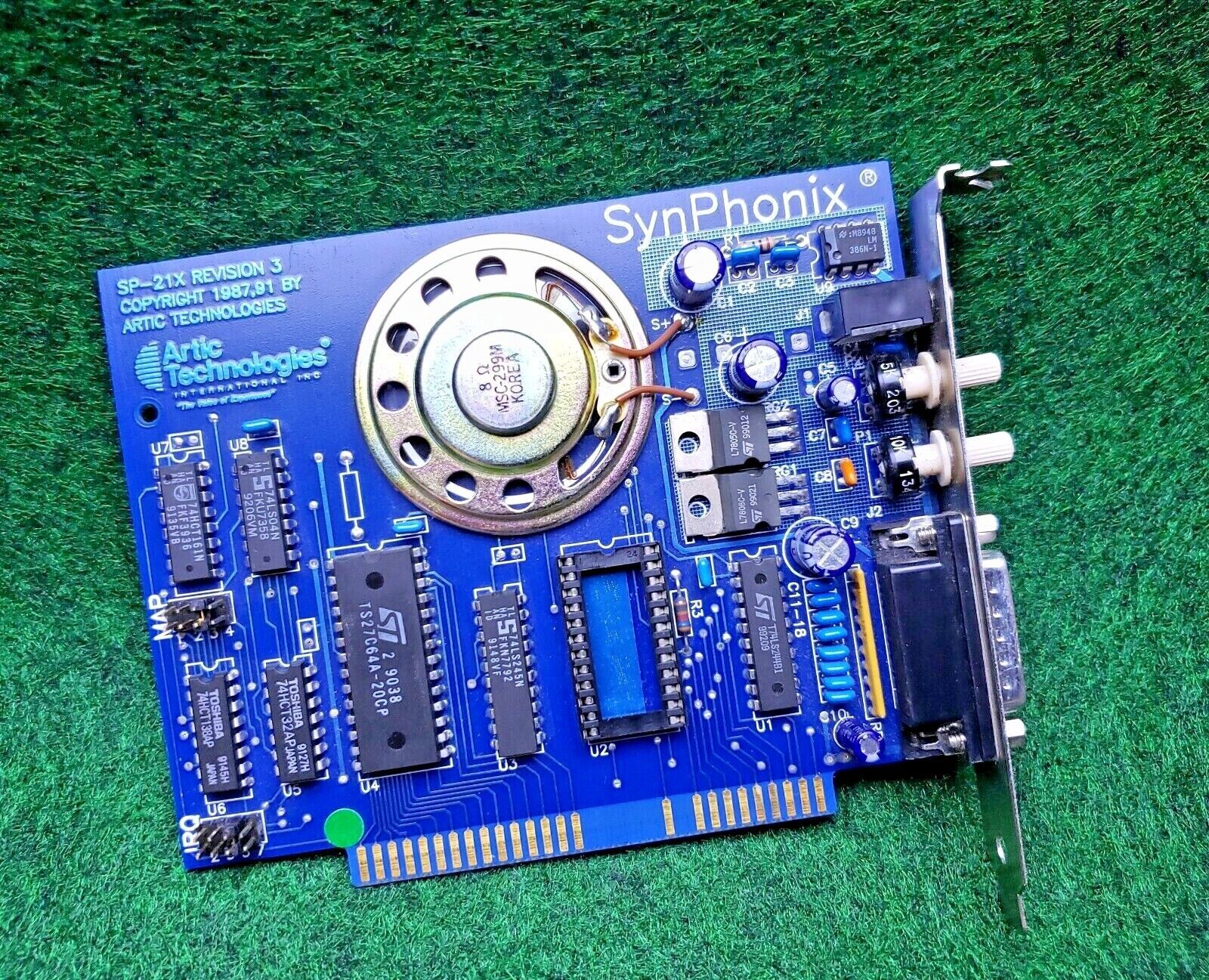
Artic Technologies
Artic’s ISA speech card put SSI-263 phoneme synthesis at the service of computer access; this Revision 3 example shows the empty voice-chip socket.
Explore the Artic SynPhonix SP-21X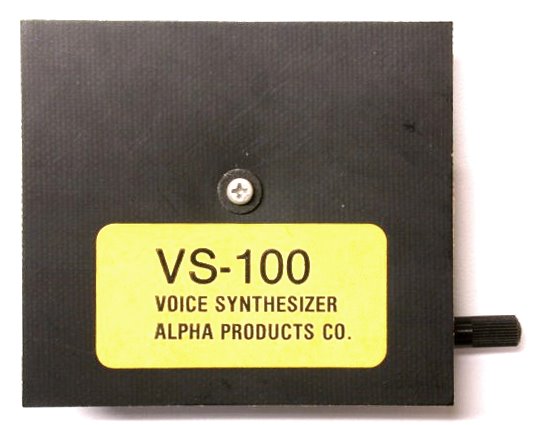
Alpha Products
Alpha Products’ TRS-80 speech accessory used Votrax SC-01 phonemes, with text-to-speech software and programmable BASIC output.
Explore the VS-100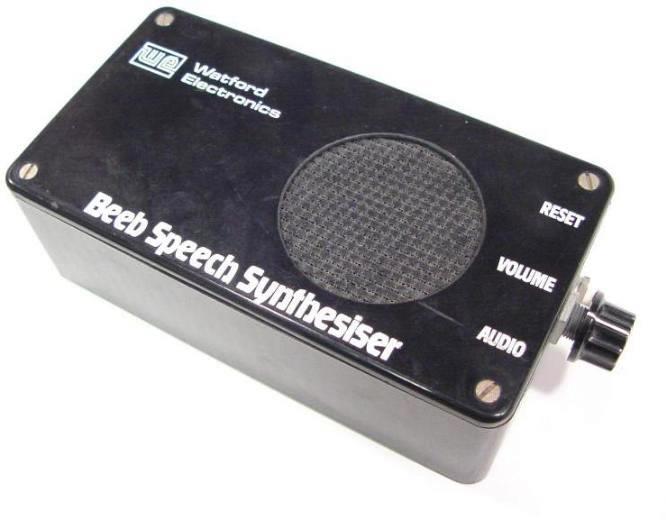
Watford Electronics
Watford Electronics’ BBC Micro user-port speech unit paired an SP0256-AL2 with ROM software, a word library, and interrupt-driven allophone playback.
Explore the Beeb Speech Synthesiser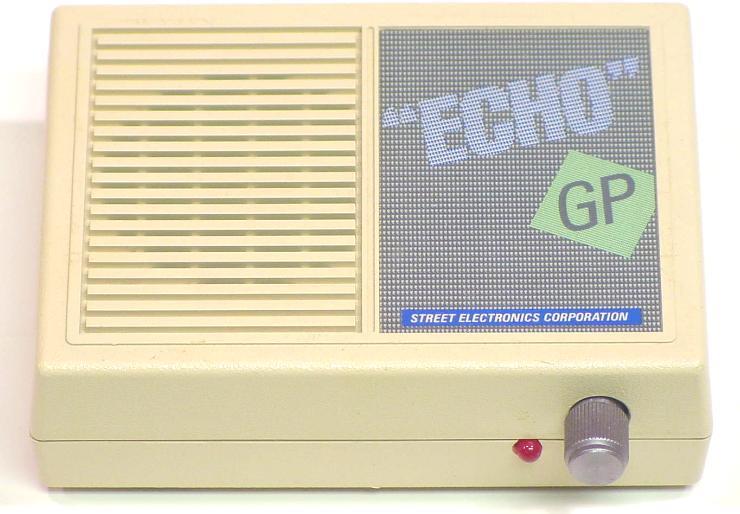
Street Electronics
Street Electronics’ serial text-to-speech box paired a TMS5220 with onboard firmware, expressive voice controls, and a role in accessible computing.
Explore the ECHO GP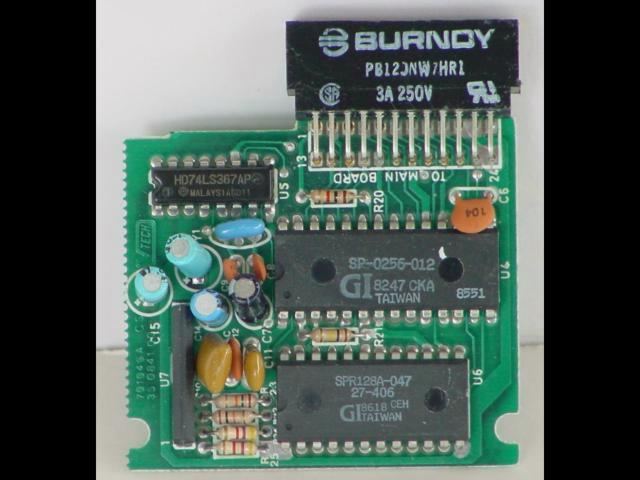
V-Tech
A Learning-Window speech expansion board with an SP0256 processor and 16 KB SPR128A-047 serial speech ROM.
Explore the VTech Learning-Window Voice Cartridge
Heathkit
Heathkit’s ET-18-2 voice option gave HERO 1 phoneme-based speech through a Votrax SC-01-A synthesizer.
Explore the HERO 1 Speech Card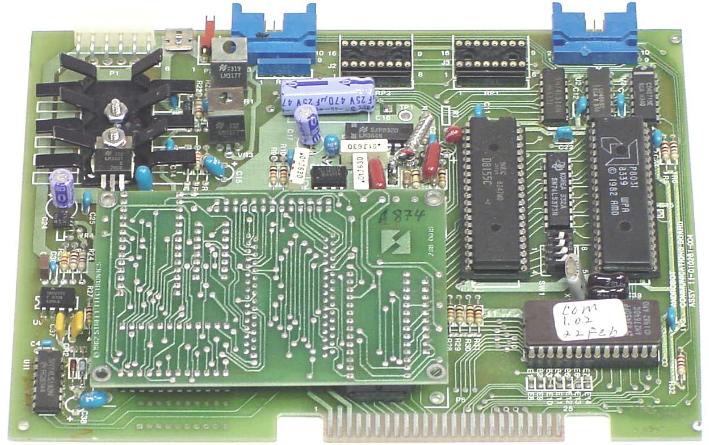
Androbot
An ECHO speech module and TMS5220 gave Androbot’s infrared-controlled TOPO a programmable electronic voice.
Explore the Topo Communications Card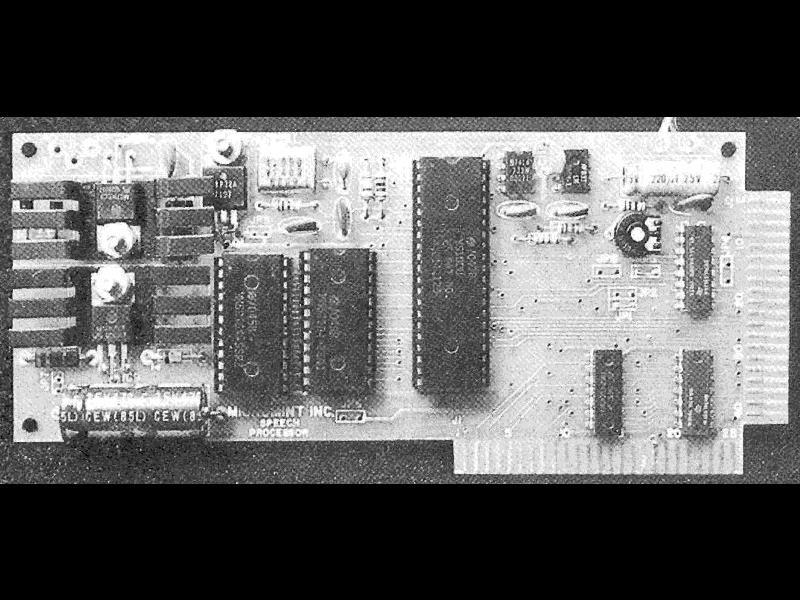
Micromint
Micromint’s 1981 MicroMouth brought the MM54104 Digitalker’s stored vocabulary to Apple II, TRS-80, and parallel-port projects.
Explore the MicroMouth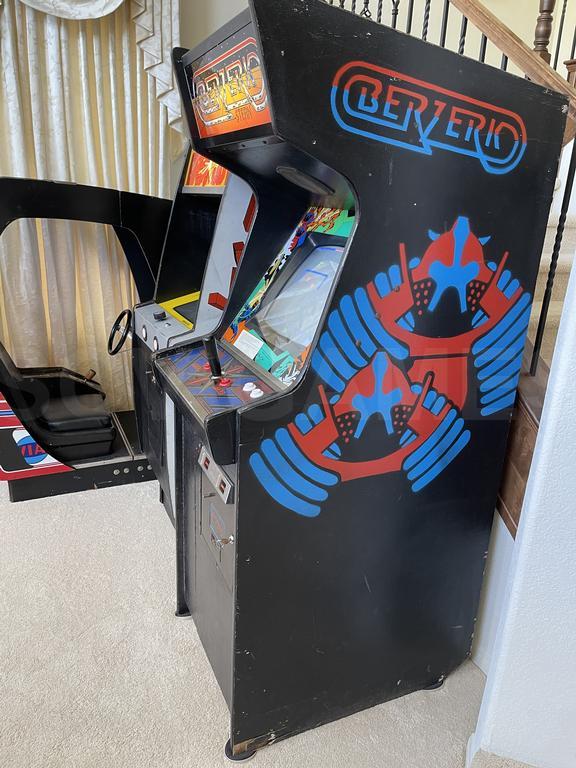
Berzerk’s S14001A speech hardware gave its relentless robots a voice to match their pursuit.
Explore the Berzerk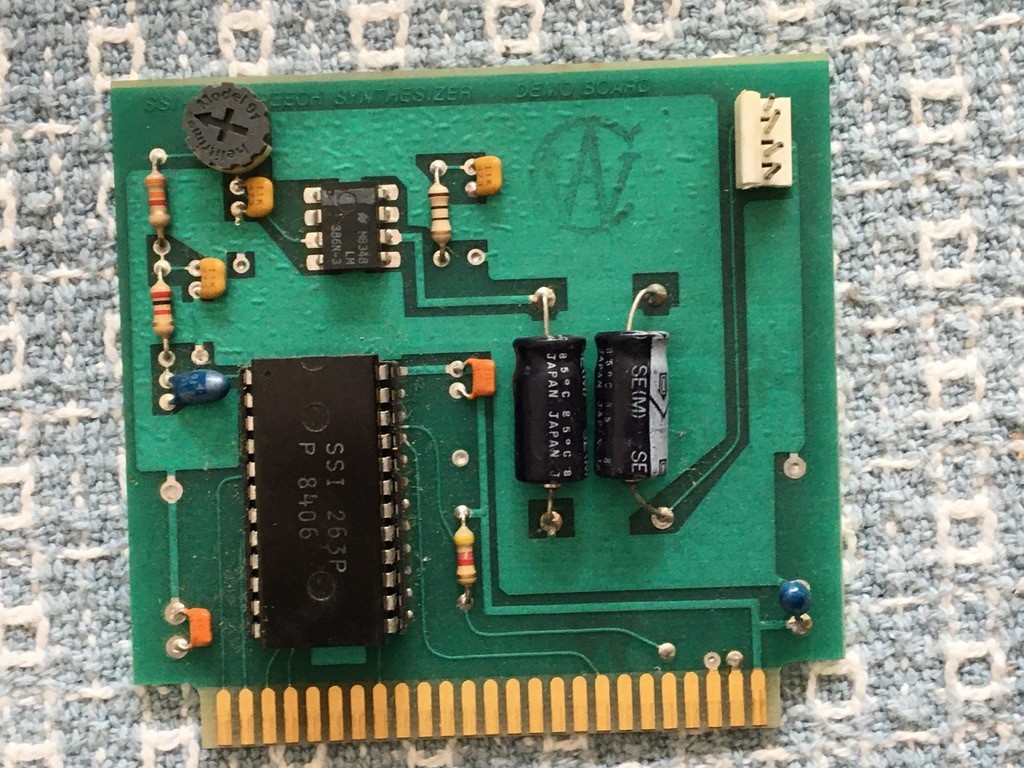
A compact SSI-263 speech demonstration card with an audio amplifier and an Apple II-style edge connector.
Explore the SSI-263 Speech Synthesizer Demo Board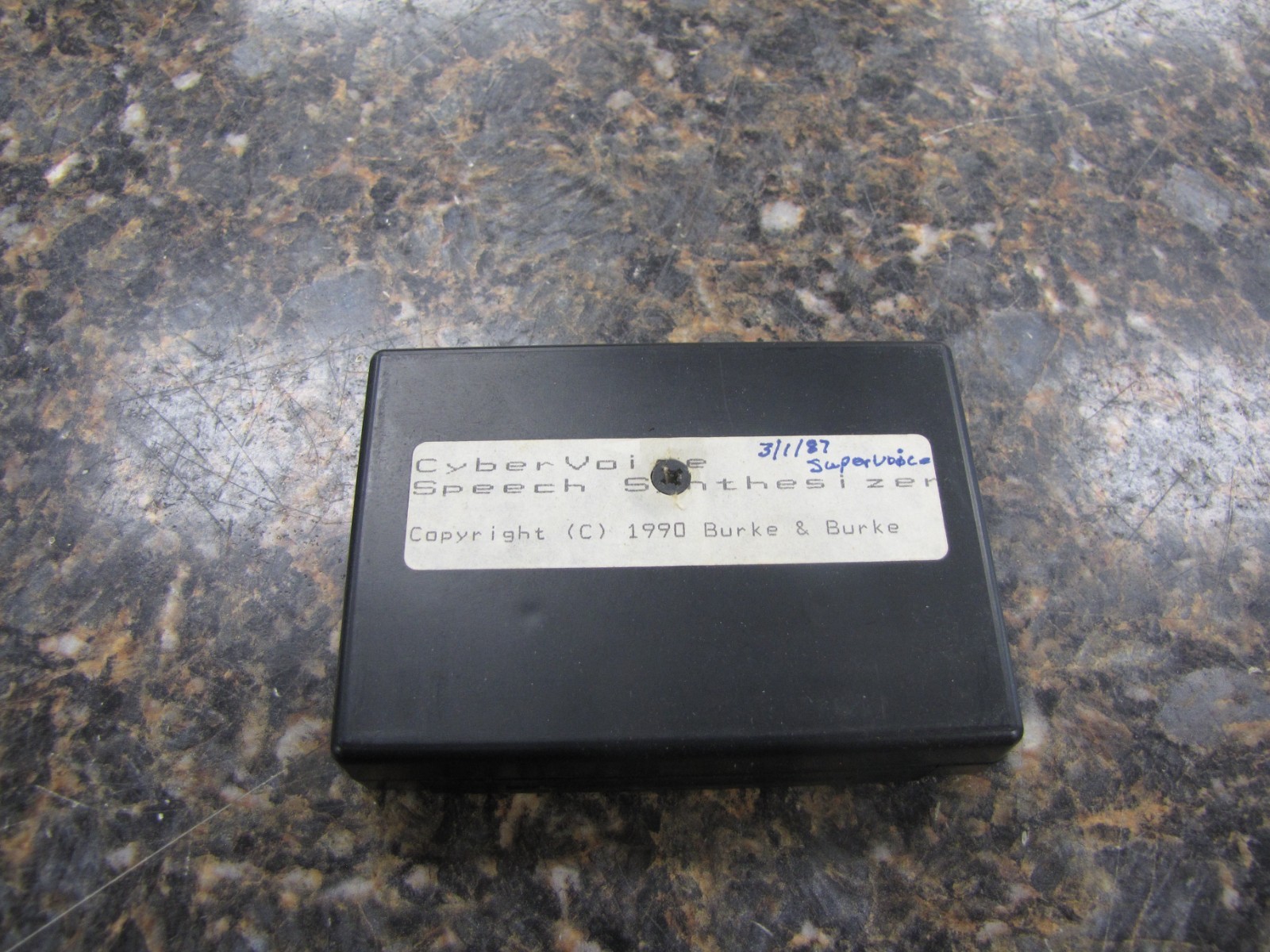
Burke & Burke
Burke & Burke’s SC-02 based speech cartridge paired programmable pronunciation and voice control with OS-9 Level II software.
Explore the Burke & Burke CyberVoice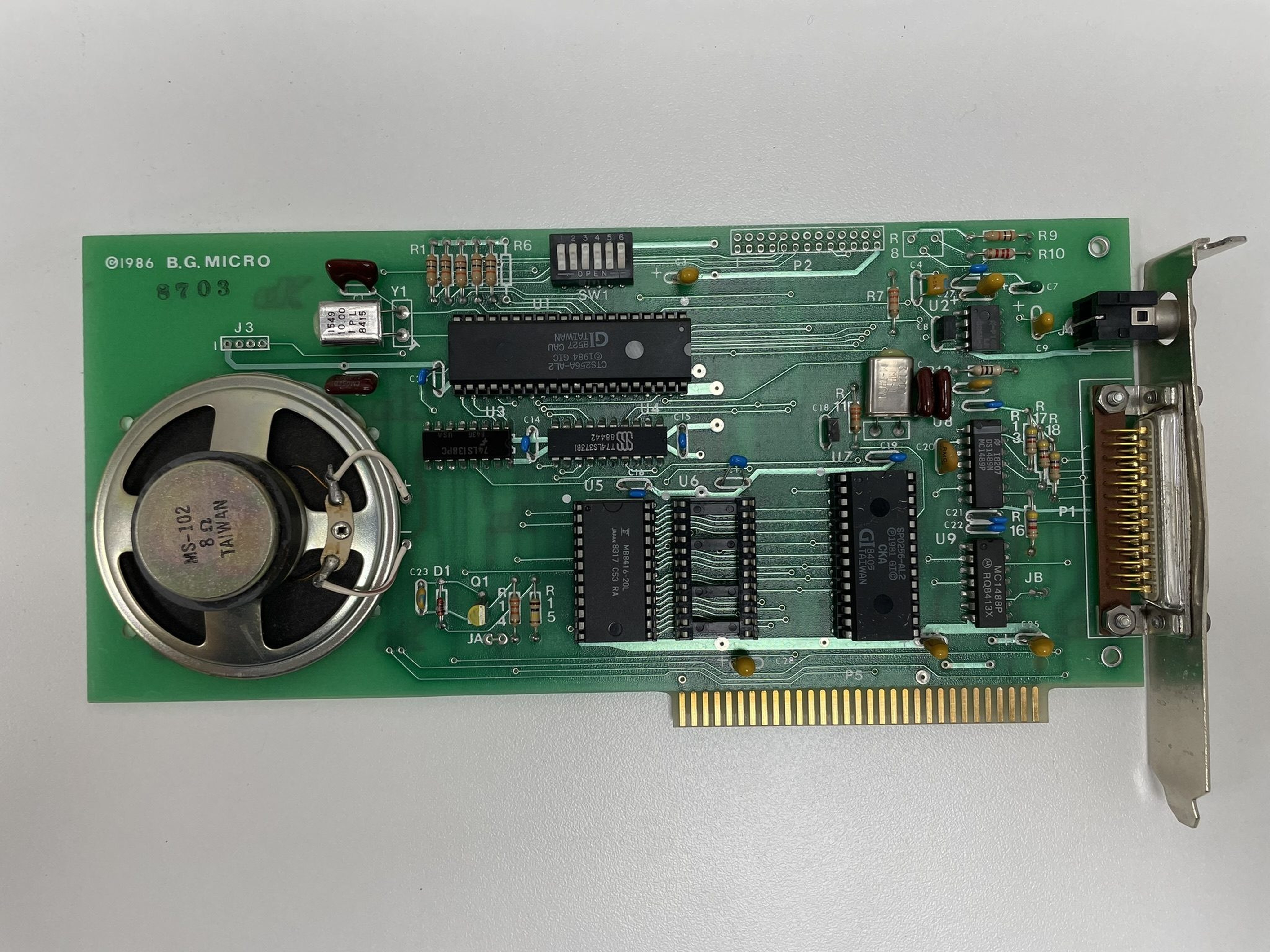
B.G. Micro
An RS-232 text-to-speech board pairing CTS256A-AL2 with SP0256-AL2; its ISA connector supplies power.
Explore the B.G. Micro Computalker Speech BoardArtic Technologies
Artic Technologies’ later internal speech synthesizer served desktop-computer access in the Windows 95 era; its speech chip remains unconfirmed.
Explore the SynPhonix 216Micromint
Micromint’s Votrax SC-01 phoneme interface for parallel-port projects.
Explore the Sweet Talker ParallelMicromint
Micromint’s Apple II speech card using Votrax SC-01 phoneme synthesis.
Explore the Sweet Talker Apple IIMicromint
Micromint’s SSI-263 Apple II speech board, supplied with text-to-speech software.
Explore the Sweet Talker IIGottlieb
Gottlieb’s MA-216 / B-20887 board combined game sound with Votrax SC-01 phoneme speech.
Explore the Gottlieb System 80 Sound & Speech BoardIntex Micro Systems
The Intex Talker delivered text-to-speech over RS-232 through a Votrax SC-01A voice.
Explore the Intex TalkerVotrax
Votrax packaged its SC-01A voice and text-to-speech firmware in the Type ’N Talk, ready to speak text received over RS-232.
Explore the Type N TalkMicrovox combined an RS-232 text interface with SC-01A phoneme synthesis for an external computer voice.
Explore the Microvox Text-to-Speech SynthesizerSpeech Design
The SPD125 gave the Apple II a Votrax SC-01A speech interface.
Explore the SPD125 / SDP125Votrax
Votrax’s Votalker IB brought the flexible SSI-263 phoneme voice to IBM PC users.
Explore the Votalker IBVotrax
Designed for the Apple II, the Votalker AP offered speech built around the SSI-263.
Explore the Votalker APThayer’s Quest paired its interactive fantasy adventure with SSI-263 synthesized speech.
Explore the Thayer’s QuestMidway
Wizard of Wor’s Votrax SC-01 voice brought electronic taunts to the arcade labyrinth.
Explore the Wizard of WorCOMvoice gave the Commodore 64 a Votrax electronic voice; the exact chip revision still needs confirmation.
Explore the COMvoiceProVoice was a speech accessory for the Commodore 64; its synthesizer chip has not yet been identified for this exhibit.
Explore the ProVoiceCovox Voice Master explored speech input and output on the Commodore 64; its hardware is awaiting chip-level documentation.
Explore the Voice MasterGauntlet I/II used TMS5220 speech to call out warnings and advice amid their multiplayer arcade battles.
Explore the Gauntlet I/IIAtari’s Star Wars and The Empire Strikes Back brought familiar spoken lines into the arcade through TMS5220 speech synthesis.
Explore the Star Wars / The Empire Strikes BackTron Deadly Disks belongs to the museum’s TI speech-hardware collection; its exact chip and machine version still need confirmation.
Explore the Tron Deadly DisksThe Squawk and Talk sound board added TMS5220 speech to Bally’s electronic game audio.
Explore the Squawk and TalkSpace Fury’s alien opponent gained its electronic voice from an SP0250 on Sega’s speech board.
Explore the Space FurySega’s Star Trek arcade machine used SP0250 speech to bring voices onto its vector-graphics bridge.
Explore the Star TrekAn SP0250 speech board supplied the electronic voice in Sega’s vector arcade game Zektor.
Explore the ZektorSega’s Eliminator is part of the G80 arcade hardware collection; a dedicated speech-chip configuration has not been confirmed.
Explore the EliminatorNational Semiconductor
National Semiconductor’s MM54104 speech processor and two vocabulary ROMs, ready to give a project 137 words, two tones, and five pauses.
Explore the DT1050 Digitalker Standard Vocabulary KitHeathkit
A built-in Votrax SC-01 voice made HERO Jr. a chatty companion, singing songs, reciting poems, playing games, and inventing “Roblish.”
Explore the Heathkit HERO Jr.Androbot
Androbot’s TOPO II added an onboard ECHO module and TMS5220 speech to its computer-controlled movements.
Explore the Androbot TOPO IIAndrobot
The later TOPO III continued Androbot’s speech-equipped robot line, with a TMS5220 electronic voice.
Explore the Androbot TOPO IIIRB Robotics
The RB5X’s Votrax SC-01A voice joined sonar and bumper sensors in a programmable educational robot with a transparent dome.
Explore the RB Robotics RB5X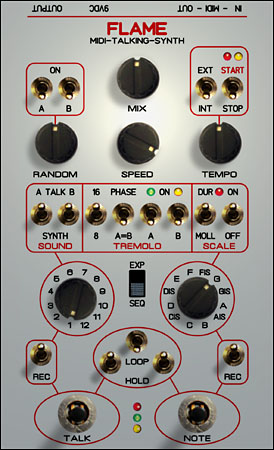
FLAME
A MIDI performance instrument built around two independently controlled SpeakJet chips for robotic voices, tonal speech sounds, and pseudo-stereo output.
Explore the FLAME MIDI TALKING SYNTH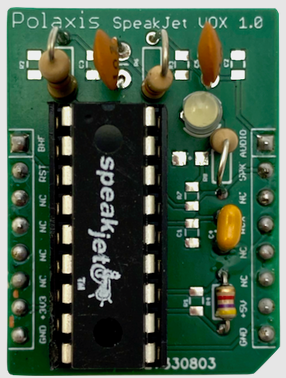
Polaxis
A compact SpeakJet instrument with MIDI, CV, onboard controls, and phonetic files stored on an SD card.
Explore the SpeakJet vox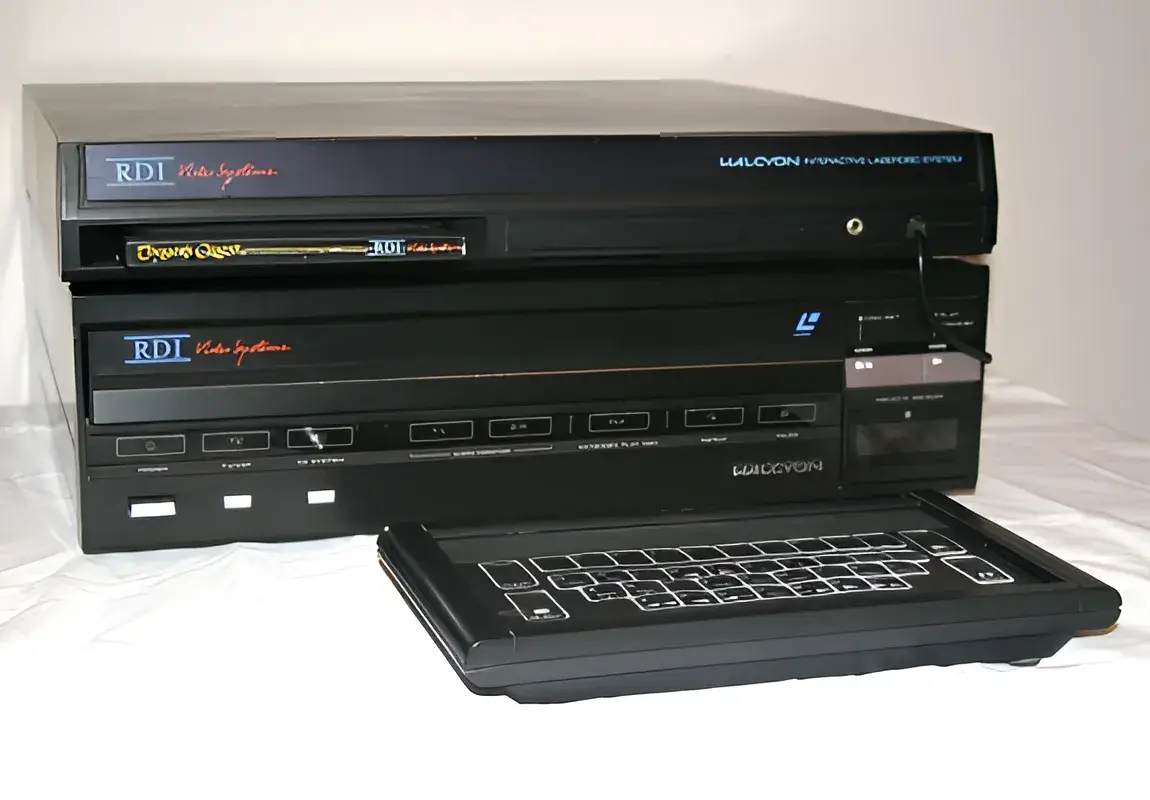
RDI Video Systems
A voice-operated home entertainment system combining laserdisc games, speech recognition, and synthesized speech from a Votrax SC-02.
Explore the RDI HalcyonDiscover the projects, ideas, and engineering behind electronic voices.
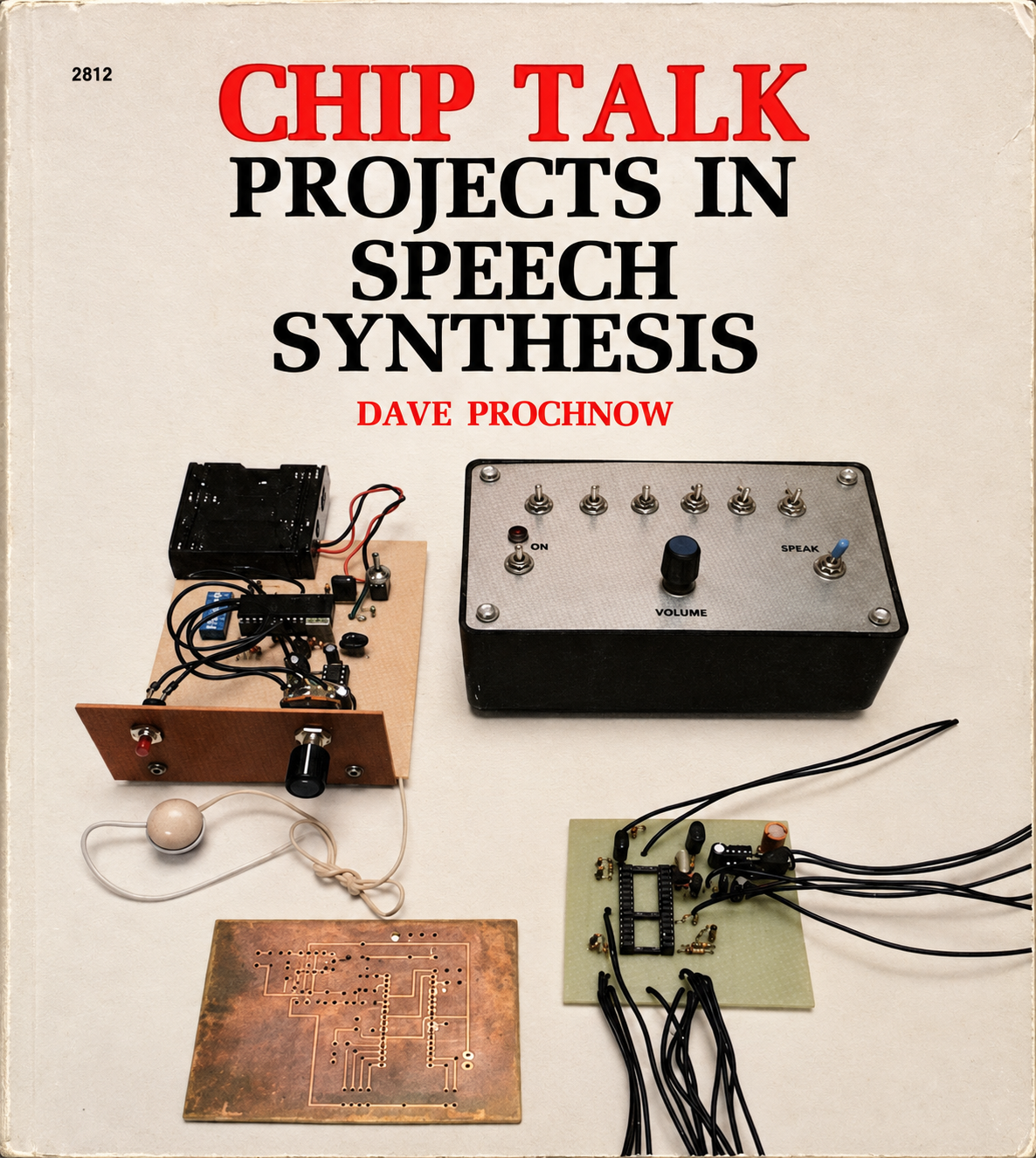
Dave Prochnow
A hands-on collection of speech-synthesis projects for builders and experimenters.
Read this book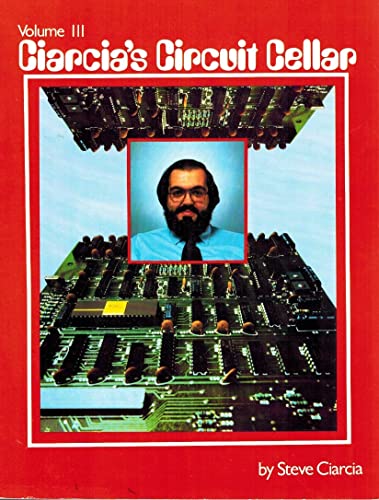
Steve Ciarcia
Includes the low-cost Digitalker speech interface that became MicroMouth.
Featured exhibit: MicroMouth
Read this book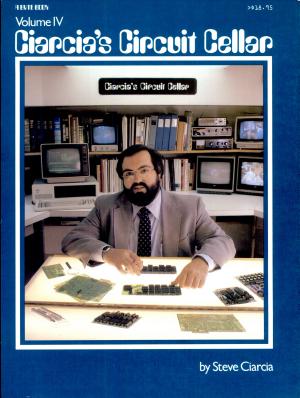
Steve Ciarcia
Microvox turns written text into SC-01A speech, alongside projects in voice analysis and ADPCM synthesis.
Featured exhibit: Microvox
Read this book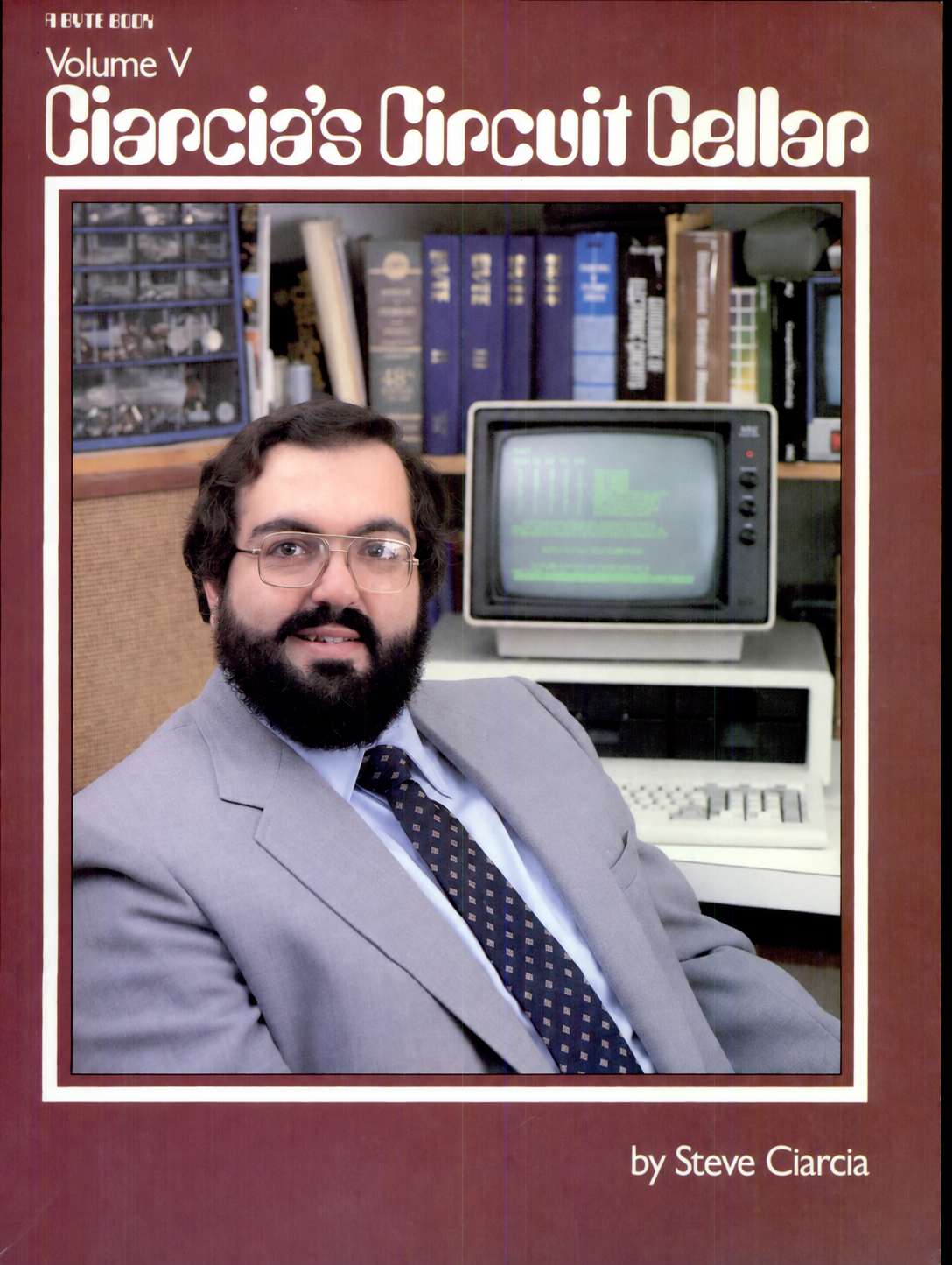
Steve Ciarcia
The SSI-263 takes center stage in Ciarcia’s third-generation phonetic speech synthesizer, with greater control over its electronic voice.
Featured exhibit: SC-02 / SSI-263 / 78A263
Read this book
Edited by Geoff Bristow
A technical reference on electronic speech synthesis, its methods, and applications.
Read this book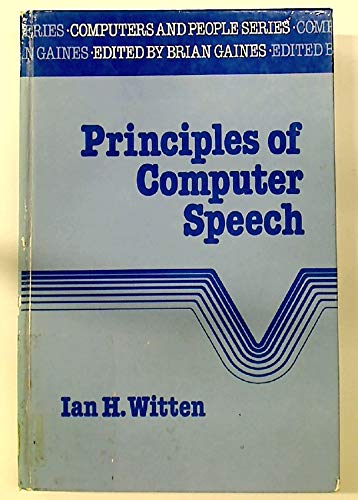
Ian H. Witten
Background on computer speech, coding, and synthesis for readers interested in how electronic voices work.
Read this book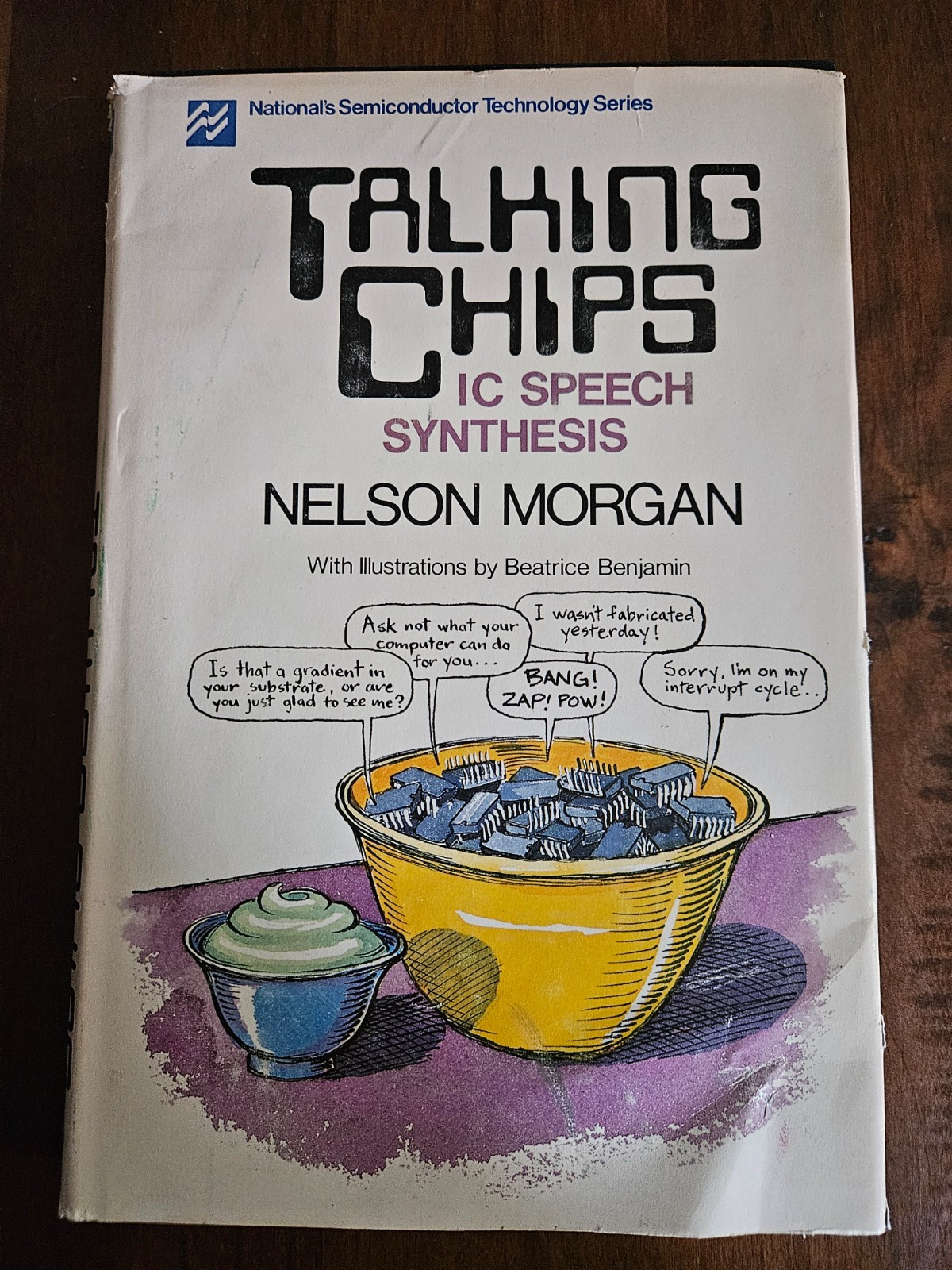
Nelson Morgan
A 1984 reference on speech synthesis with integrated circuits, published in National’s Semiconductor Technology Series.
Read this book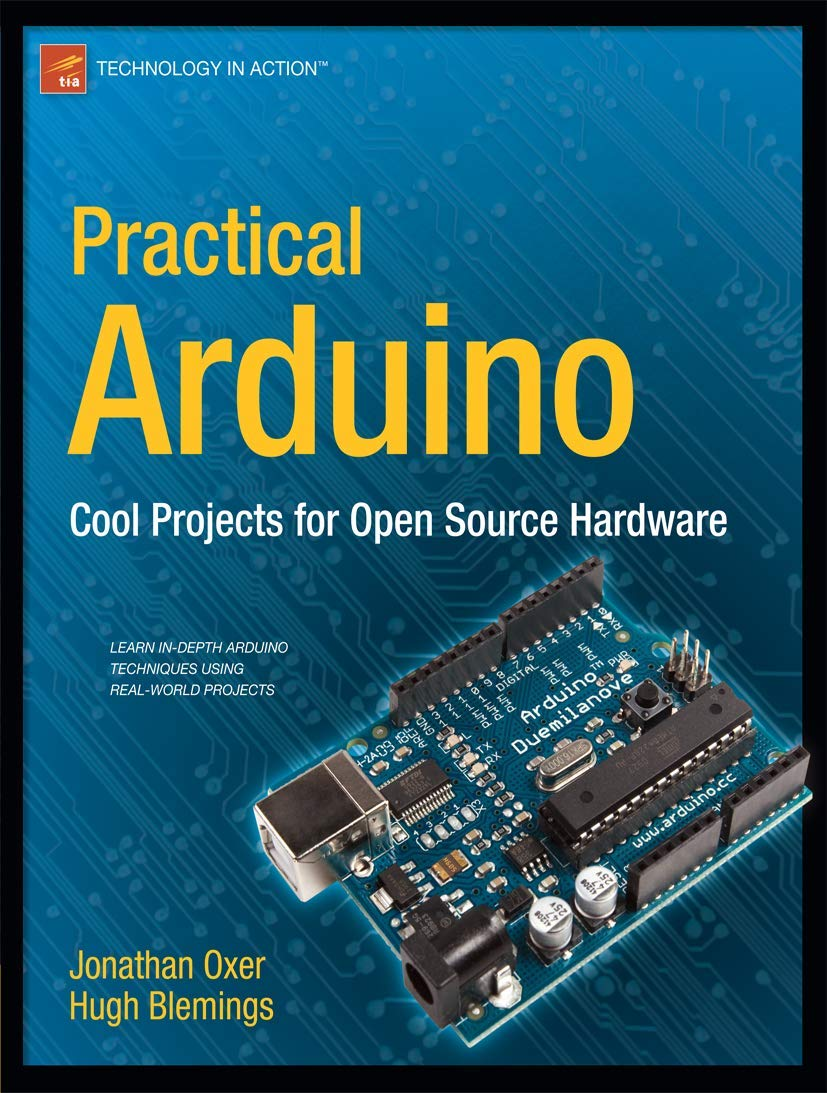
Jonathan Oxer and Hugh Blemings
Includes Chapter 9, “Speech Synthesizer,” on building a SpeakJet speech synthesizer with Arduino.
Read this bookHands-on projects that put classic speech-synthesis chips to work.
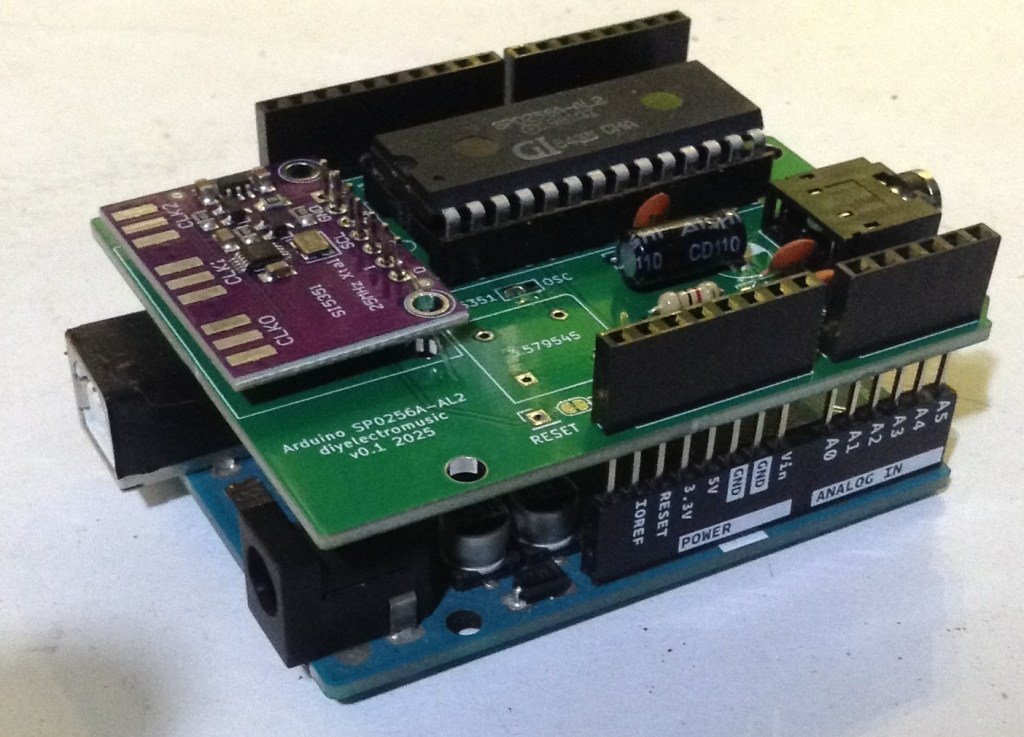
A recent shield build with a bill of materials, assembly notes, and links to the board design.
View Build Guide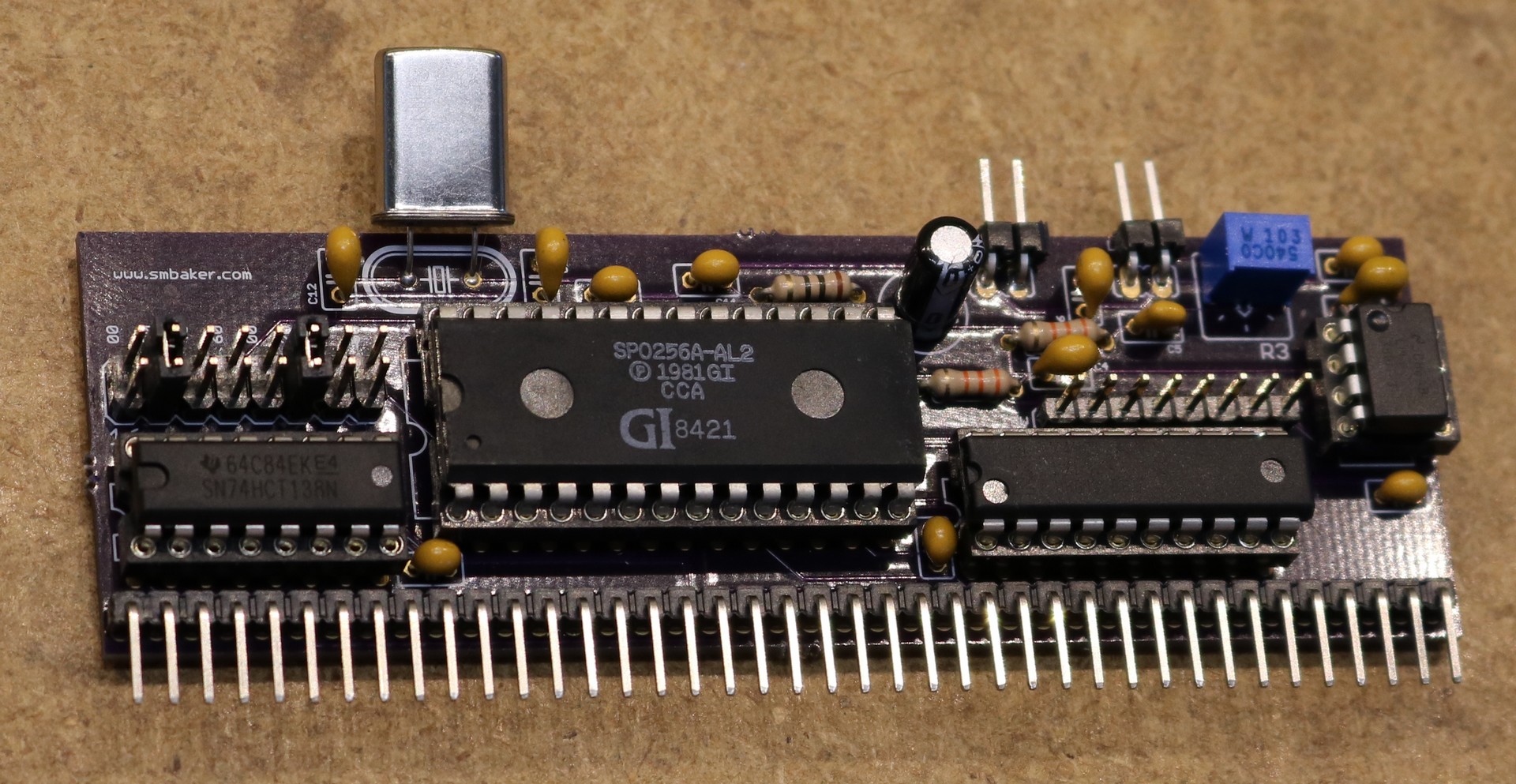
A Z80 speech-synthesizer board with a schematic, source code, assembled-board photos, and PCB ordering information.
View Project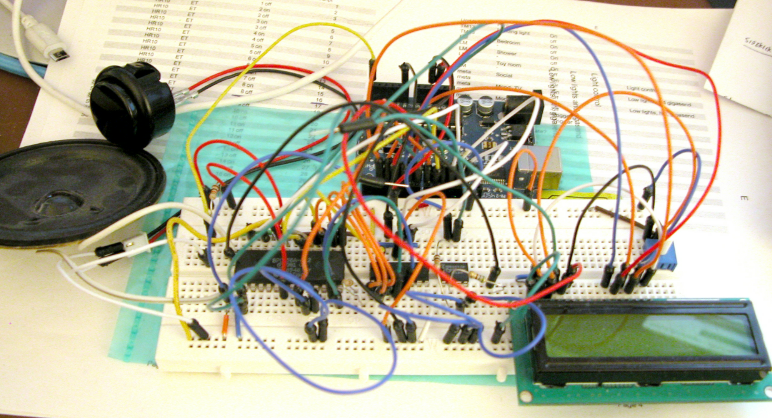
A compact Arduino and SP0256 build with a circuit schematic and downloadable source code.
View Project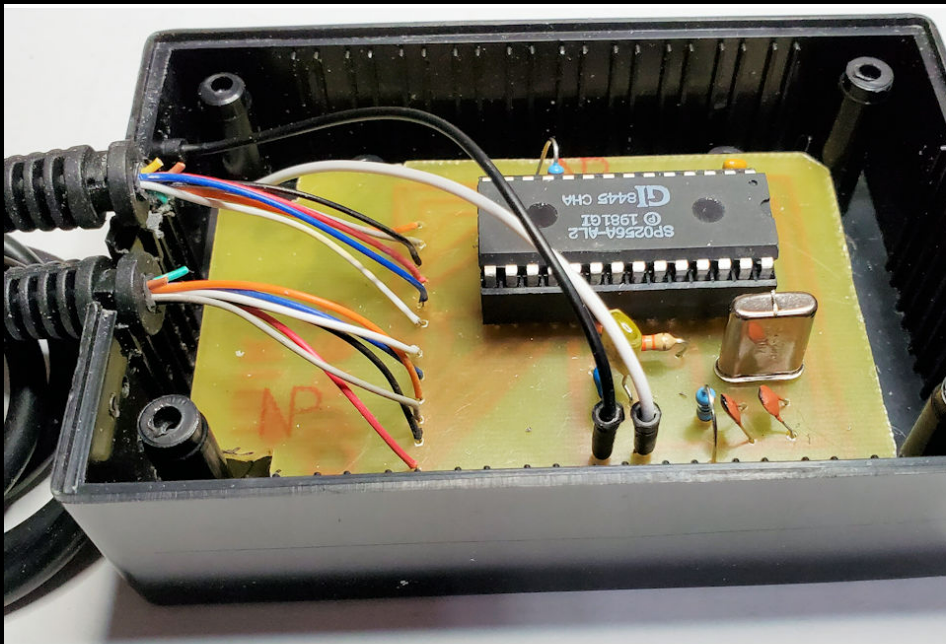
A modern recreation of a 1985 SP0256 speech-synthesizer project, documented from parts through board construction.
View Build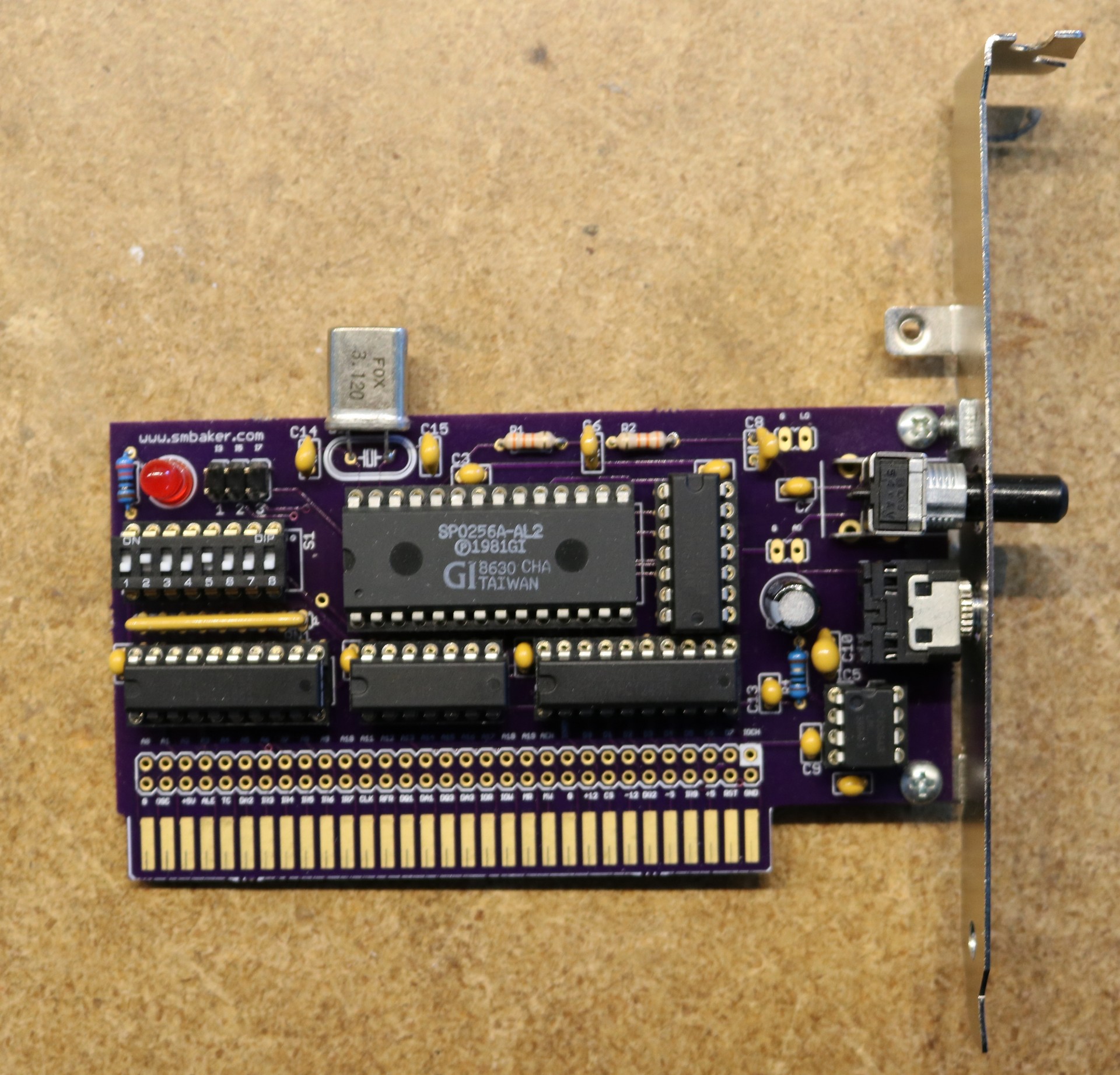
An SP0256A-AL2 speech card for PC-compatible computers, with circuit design, board implementation, and driver software.
View Project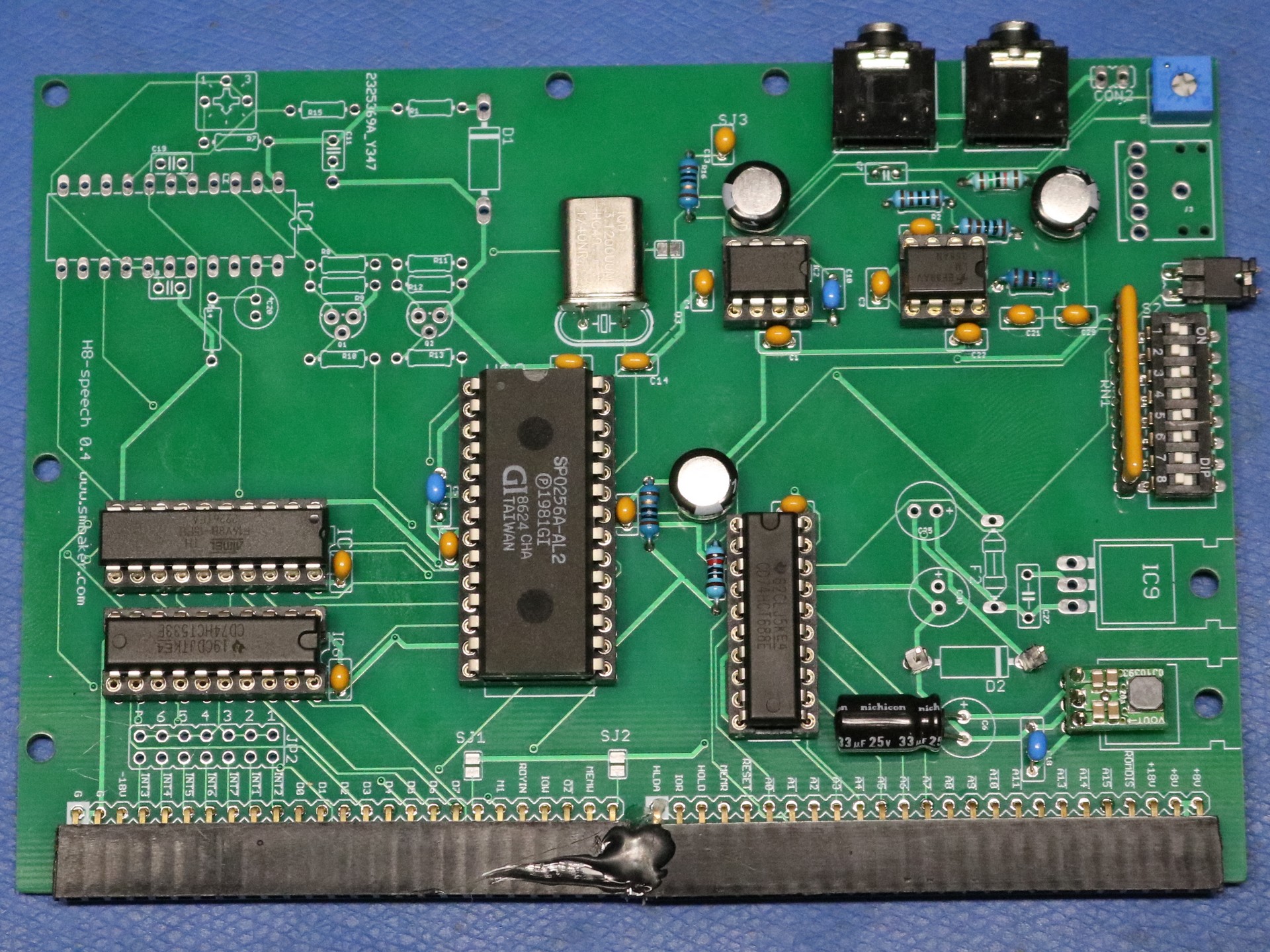
A speech card for the Heathkit H8 designed for either an SP0256A-AL2 or a Votrax SC-01A, with a schematic and software.
View Project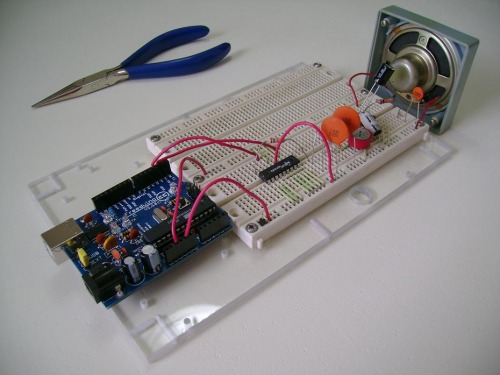
A documented SpeakJet build shared with the RobotShop robotics community.
View Project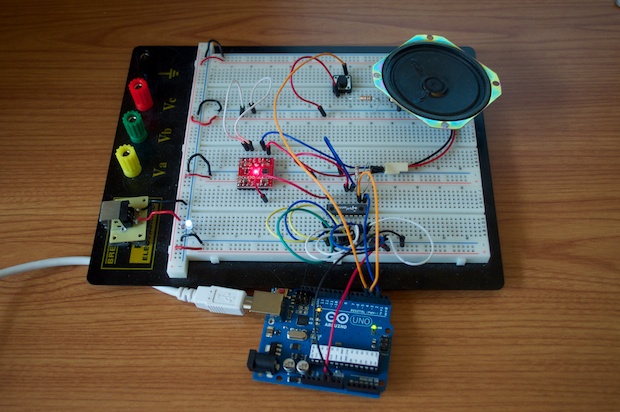
A hands-on SpeakJet experiment with project notes and demonstrations.
View Project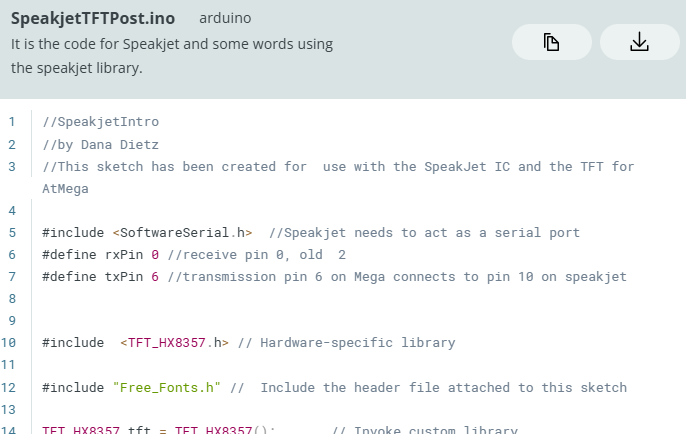
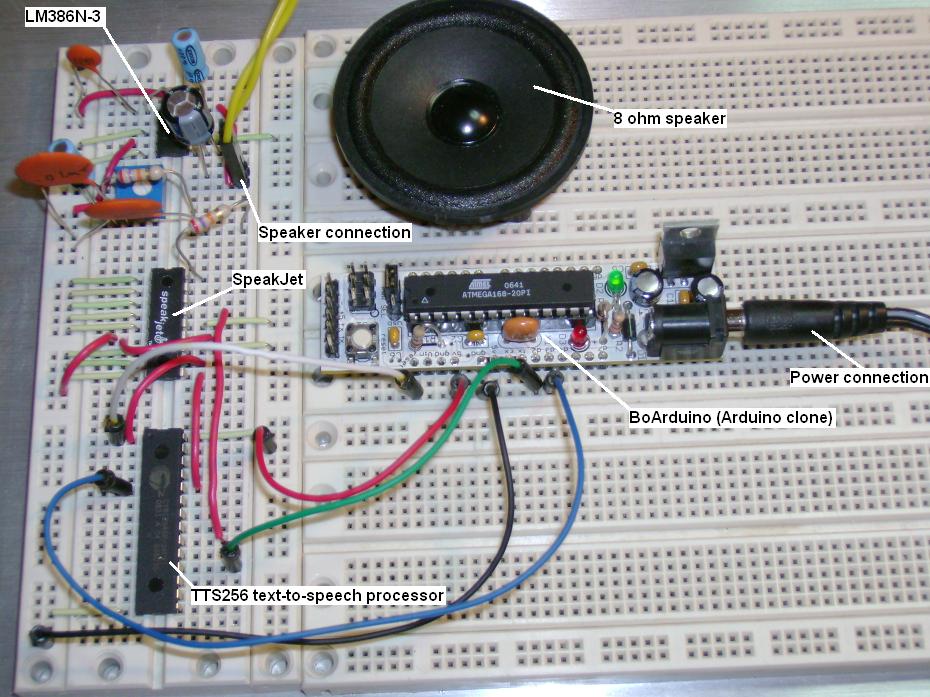
A community-documented build exploring text-to-speech control of the SpeakJet.
View Project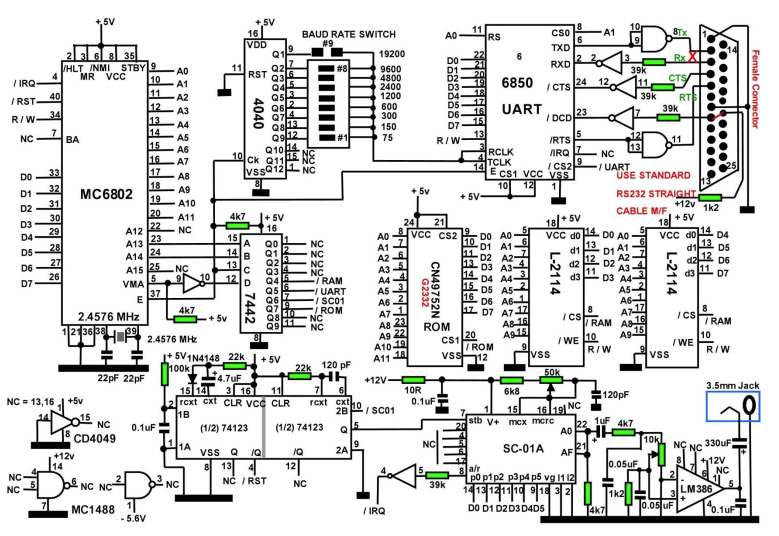
A documented reproduction of the Type ’N Talk, including its circuit and construction details, built to work with the Heathkit HERO Jr. robot.
View ProjectPRESERVING AN ELECTRONIC ACCENT
SpeechChips.com is a collection built by someone who still holds a place in his heart for these vintage electronic voices. I’m Scott Savage, an electronics and controls engineer fascinated by the circuits that gave machines their distinctive accents during my teenage years, when personal computers were just beginning to find their way into our homes. Alongside collecting and documenting vintage speech hardware, I created SpeakJet two decades ago and now design tester boards for a variety of classic speech synthesizer chips. For me, preserving this technology means more than keeping a chip in a display case. It means understanding how it works, hearing it speak, and giving other people the tools to experiment with it. This museum brings that work together—and invites collectors, engineers, and curious visitors to help fill in its history.
A museum grows through the people who share what they know. Do you have a speech chip, a talking machine, an old photograph, a recording, a manual, or a story about using one? Help us fill in the gaps, correct the details, and preserve the voices—and the people behind them—for the next generation.
Help Build the MuseumDonated by Greg M.
Independence, MO
Donated by Marcello F.
New York City, NY
THE MUSEUM GIFT SHOP
Speech hardware and tester-board kits for hands-on exploration, diagnostics, and new projects.
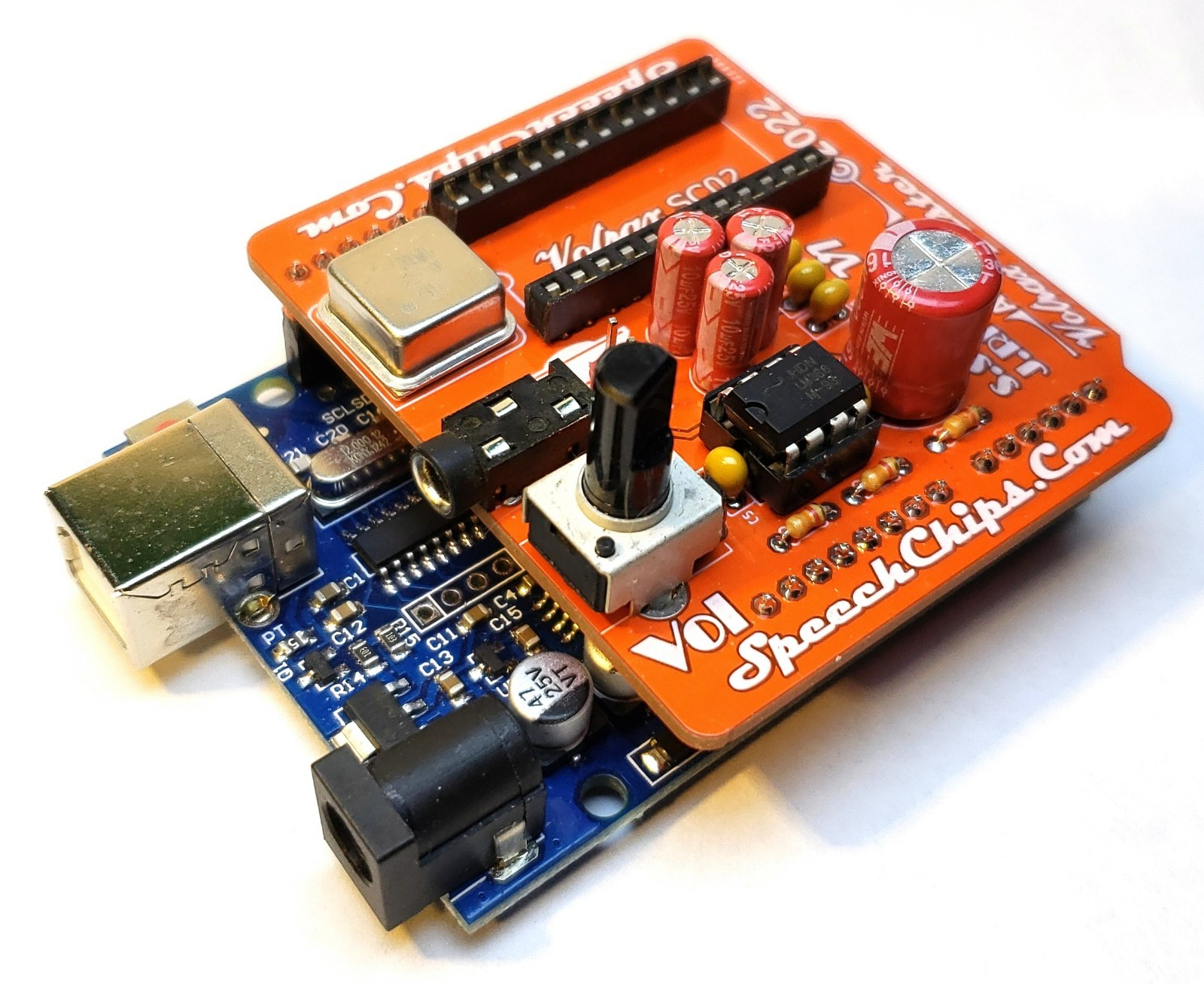
Arduino-compatible diagnostic tester-board kit for exploring and testing SC-02, SSI-263, and 78A263 speech chips.
View Details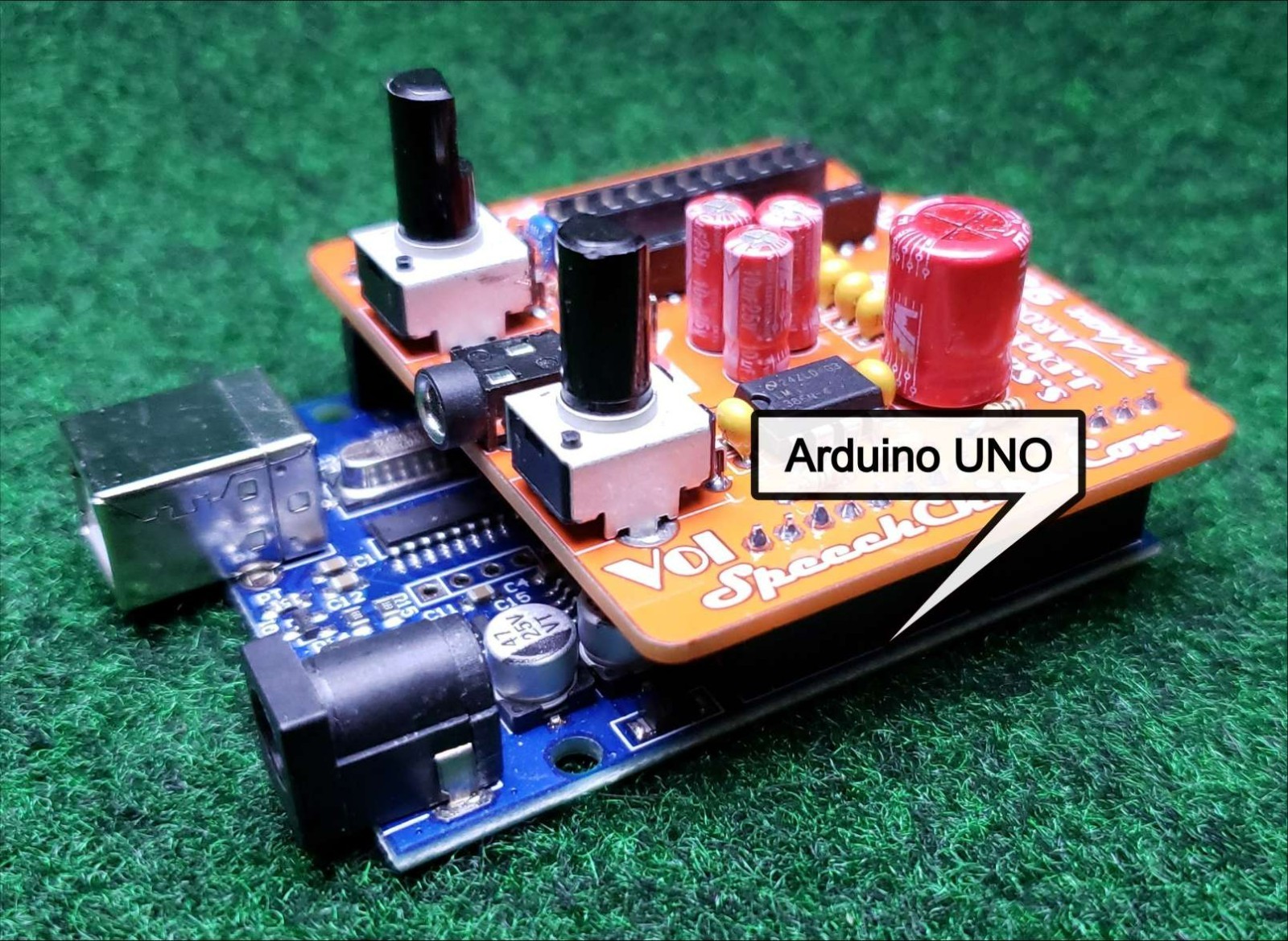
Arduino-compatible diagnostic tester-board kit for exploring and testing SC-01 and SC-01A speech chips.
View DetailsAn 18-pin phoneme-based speech synthesizer IC for adding a distinctive voice to your projects.
View Details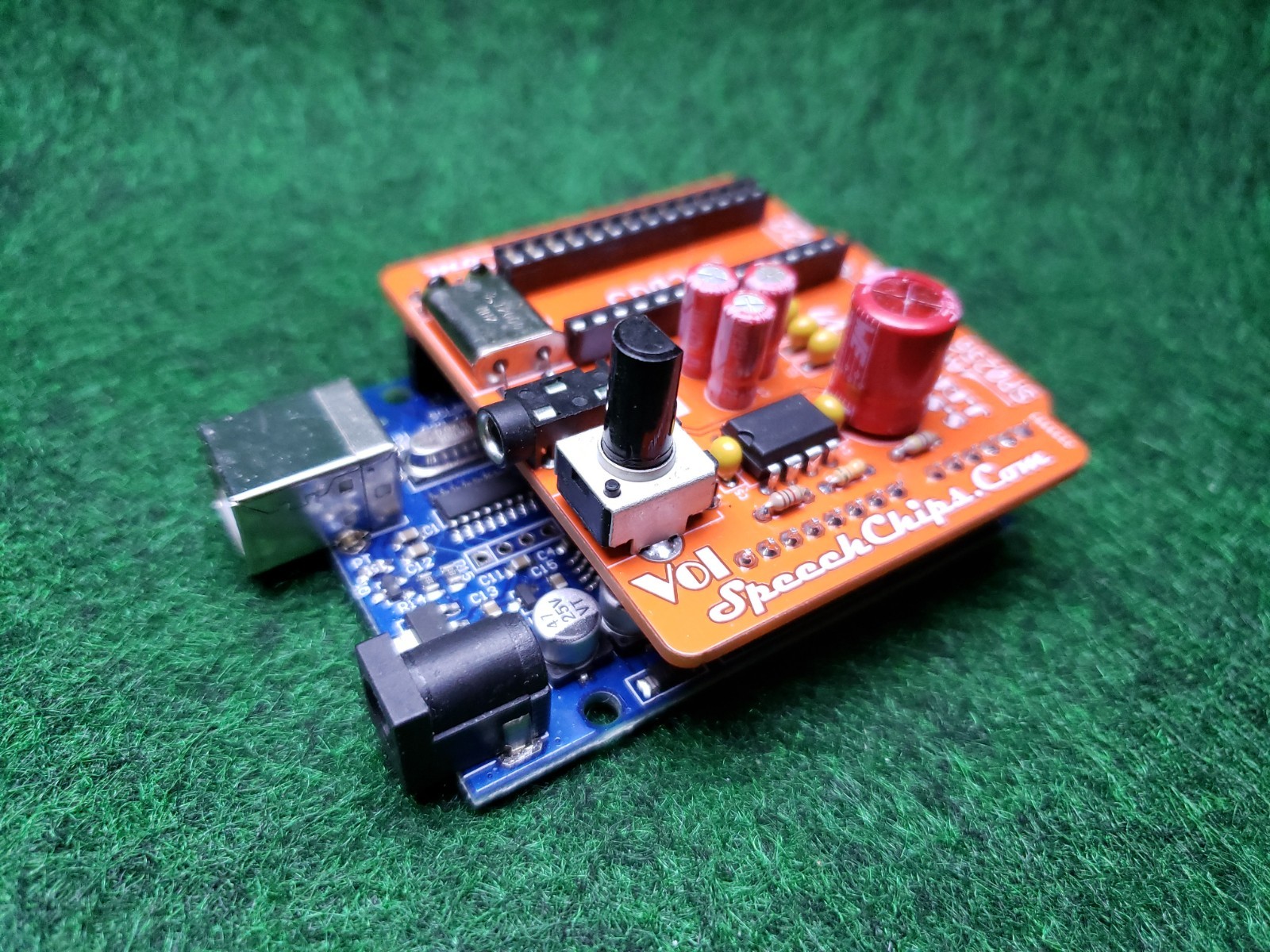
Arduino-compatible diagnostic tester-board kit for SP0256-AL2 speech chips. Includes open-source test software; speech chip and Arduino Uno are not included.
View Details